When Local Flavors Inspire Global Travelers
01. IBARAKI
Wild “Magamo” Duck, a Winter Treasure Found Only in Ibaraki
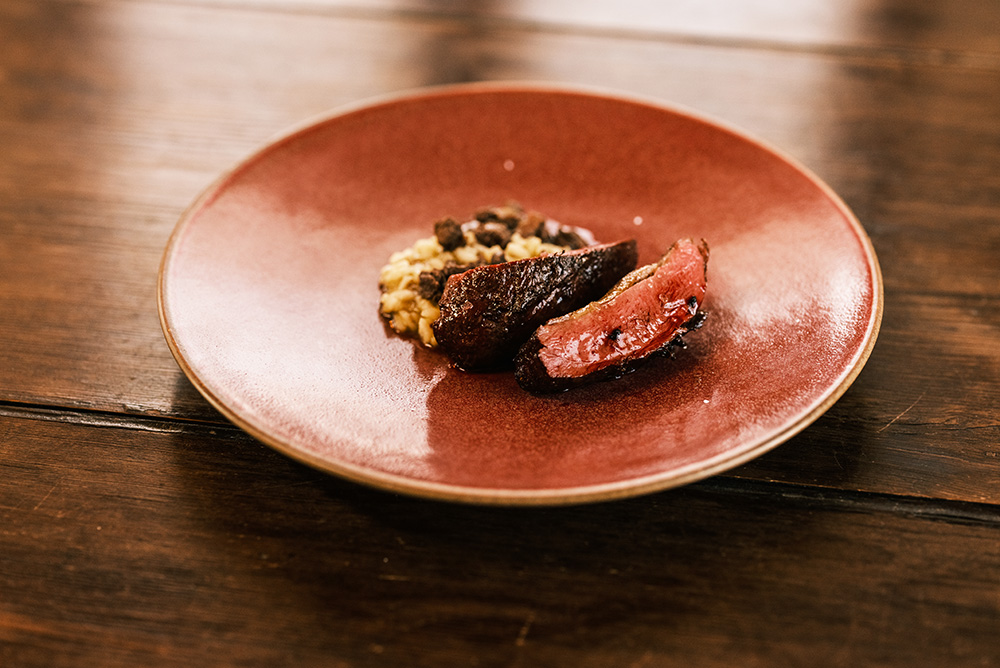
In Ibaraki Prefecture, more and more restaurants are beginning to serve Hitachinokuni Natural Magamo, a winter delicacy that has become a local seasonal tradition. These wild ducks, which migrate from Siberia and settle around lakes such as Kasumigaura, are carefully captured using a traditional, non-injurious method known as musō-ami (net trapping). The result is a rare ingredient prized for its rich, gamey aroma and firm texture, now recognized as a regional brand. Enjoying this natural magamo prepared by top local chefs has become a new reason for winter travelers to visit Ibaraki.
Why Experience It in Ibaraki?
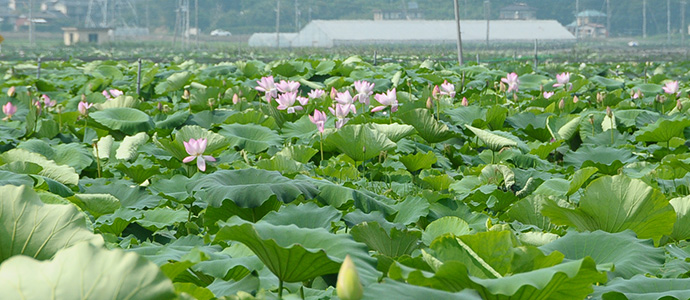
To taste magamo in Ibaraki is to encounter a story woven from nature, people, and craftsmanship, and to savor a flavor found nowhere else. Wild ducks that migrate from Siberia are few in number and can only be enjoyed at restaurants participating in the Hitachinokuni Natural Magamo Fair. Because of its rarity, magamo is regarded as a premium ingredient, and local chefs express its character through both Japanese and Western styles. Visitors can base themselves in Mito, Tsukuba, or Tsuchiura—easily accessible from the Tokyo metropolitan area—and enjoy a winter “magamo culinary journey” framed by Kasumigaura’s lake views and the surrounding countryside.
Featured RestaurantsAvailable from Dec. 1 to Feb. 15
YOSHIKI FUJI (Hitachiomiya City)
Chef Fuji presents a creative plate inspired by French and Basque cuisine. Thinly sliced magamo is gently cooked to retain moisture, paired with local ingredients such as lotus root and natto. His refined approach harmonizes “the spirit of Ibaraki” with an elegant sense of luxury.
Restaurant Ohtsu (Mito City)
This restaurant highlights the natural flavor of magamo through a simple roasted preparation served with a sauce made from the duck’s innards. Chef Ohtsu’s precise control of heat brings out the depth of the meat, complemented by seasonal local vegetables.
Nonna Nietta (Tsukuba City)
Rooted in Italian tradition, Nonna Nietta showcases magamo through wood-fire cooking. The gentle moisture of the burning wood infuses the meat, yielding a juicy texture and a rustic, layered flavor that captures the essence of wild game.
Yoshicho (Tsuchiura City)
A restaurant centered on Japanese cuisine and the concept of “Ibaraki terroir.” Here, Hitachinokuni Natural Magamo is charcoal-grilled and served as part of a seasonal course, paired with leeks or rapeseed blossoms. Adjusting the degree of heat for each part, the chef reveals the duck’s finest aromas and textures.

02. OKAYAMA
Winter Delicacies and Elegant Afternoons in Okayama
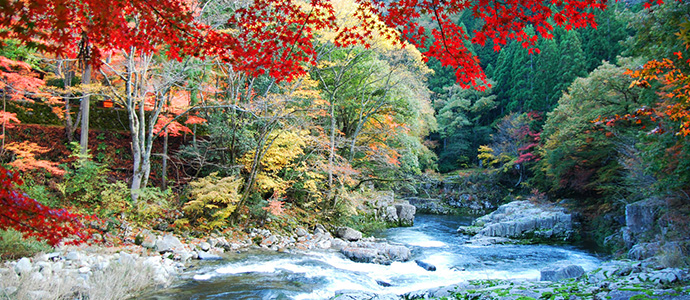
Located in western Honshu and facing the calm Seto Inland Sea, Okayama Prefecture enjoys a mild climate and abundant sunshine, so much so that it is affectionately known as “the Land of Sunshine.” Surrounded by scenic mountains and sea, this region offers travelers a captivating blend of natural beauty, historical charm, and fresh local cuisine. From Okayama, we introduce two winter delights that embody its rich culture and warm hospitality: Hinase’s “Kaki-oko”, a savory oyster pancake born of the sea, and Kurashiki’s “Kurashiki Afternoon Tea,” a graceful moment to savor local fruits in a picturesque townscape.
Hinase Kaki-oko – A Winter Feast from the Sea
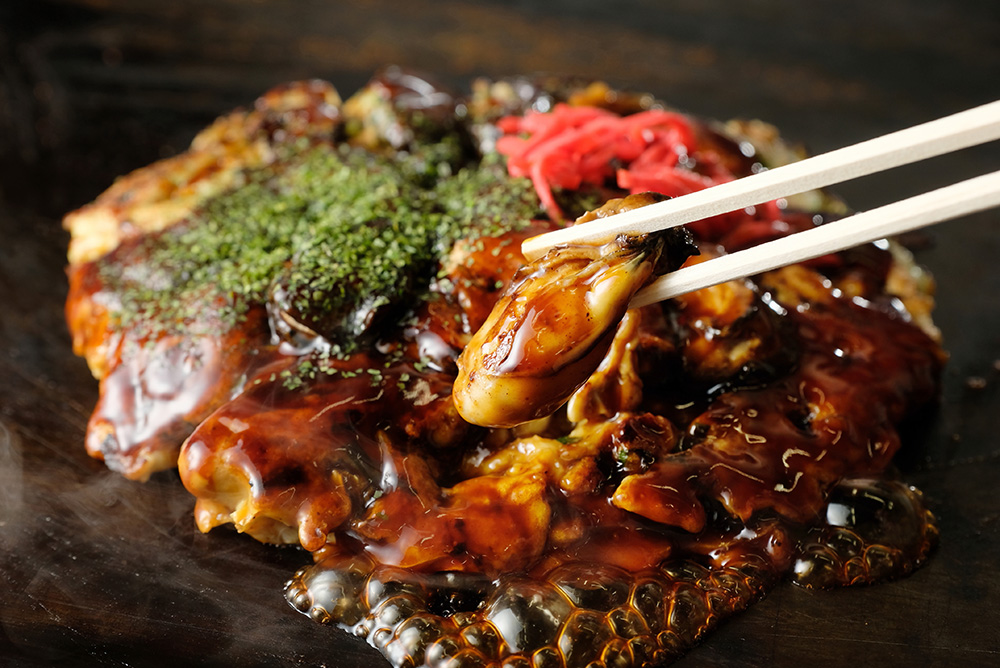
Okayama is one of Japan’s leading oyster-producing regions, ranking third nationwide in oyster farming. Among its coastal towns, Hinase in Bizen City is renowned for its premium oysters nurtured in the gentle waters of the Seto Inland Sea. It is here that the local winter specialty Kaki-oko was born, a hearty okonomiyaki (savory pancake) packed with shredded cabbage and fresh oysters, then slowly grilled on an iron plate. Crispy on the outside, fluffy and juicy inside, each bite bursts with the deep umami of the sea.
During the oyster season, travelers flock to Hinase to enjoy this beloved dish, often served in small family-run eateries or local food stalls. Sitting around the hot griddle, chatting with the locals as the oysters sizzle and release their aroma, this is the true taste of winter in Okayama.
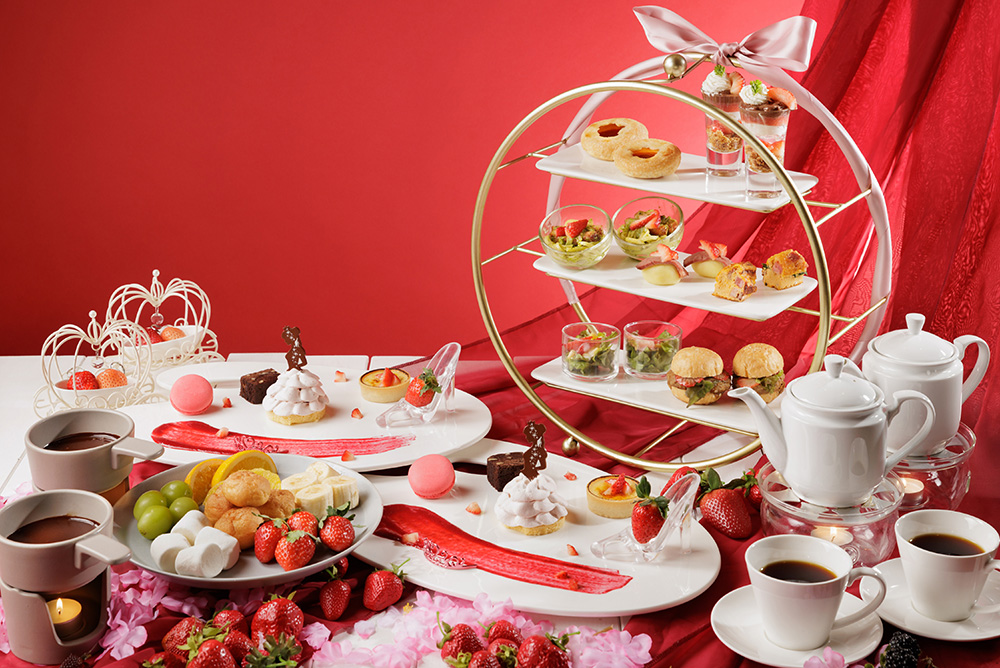
In Kurashiki, a city famous for its preserved white-walled townscape, the Kurashiki Afternoon Tea is celebrated throughout the year. Each season highlights a different fruit: peaches and grapes in summer, and bright red strawberries in winter. Colorful sweets and savory bites made with Okayama-grown fruits delight the eye as much as the palate.
Participating cafés and hotels are scattered across the city, from elegant hotels to renovated kominka (traditional houses) and art-filled galleries, each offering its own version of afternoon tea. Many venues provide pots of freshly brewed tea with free refills, inviting visitors to slow down and savor a tranquil moment in their journey.
The sound of oysters sizzling on a hot griddle in Hinase, the gentle aroma of tea wafting through an afternoon in Kurashiki, both capture the warmth of Okayama’s land and people. Through food, travelers can sense the spirit, nature, and culture of the region. Okayama’s cuisine quietly yet powerfully teaches us the joy of discovering a place through its flavors.
03. KUMAMOTO
Kawachi Mikan – The Taste Nurtured by the Sun of Kumamoto
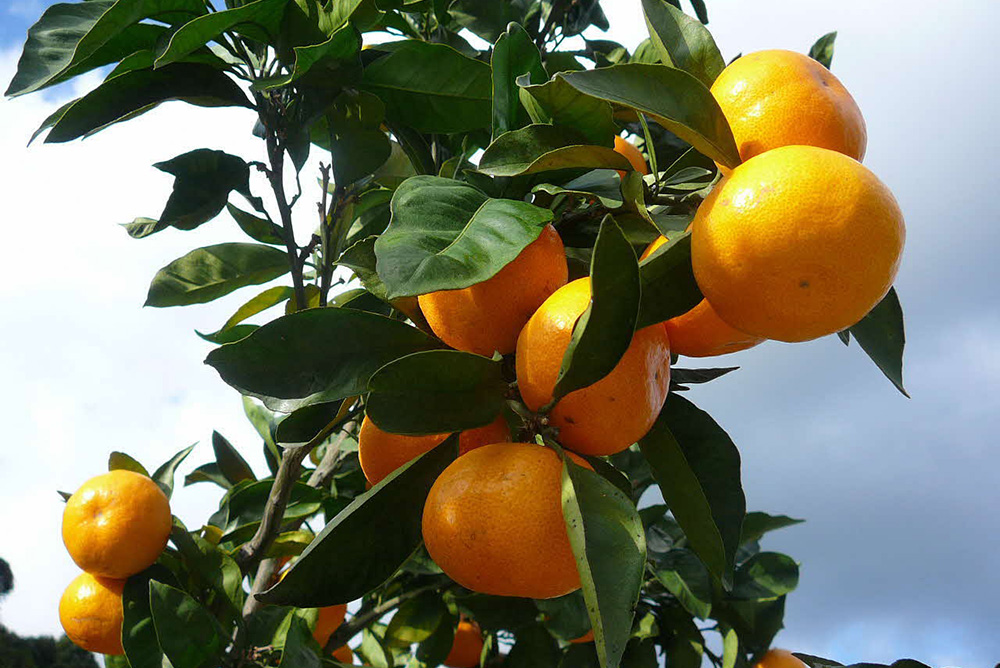
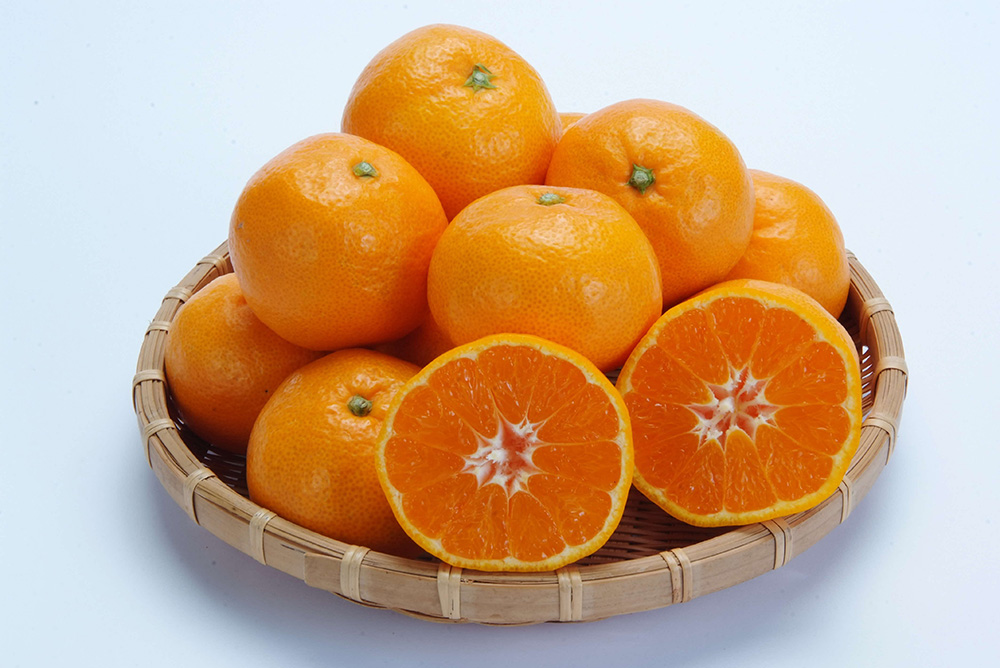
Located almost in the center of Kyushu, Kumamoto City is blessed with abundant nature and sunlight, genuinely living up to its nickname, “Land of Fire.” In the city’s northwest, at the foot of Mt. Kinpo overlooking the Ariake Sea, lies the small town of Kawachi, an ideal environment for growing mandarin oranges. Embraced by both the sea and the mountains, this region basks in sunshine throughout the year. The “Kawachi Mikan,” born in this land, is known for its rich sweetness, pleasant acidity, and refreshing juiciness. Take a bite, and you’ll taste the sun and breeze of Kumamoto, an exquisite gift of nature.
History
The history of Kawachi as a citrus-producing area dates back about 200 years to the Edo period. At that time, Ushijima Shichirozaemon, the feudal lord of Kawachi, encouraged the cultivation of a superior variety of mikan compared to the small native types. In 1934 (Showa 9), the Kumamoto Prefectural Fruit Tree Experiment Station was established in Kawachi, leading to a rapid increase in the production of the Unshu mikan variety.
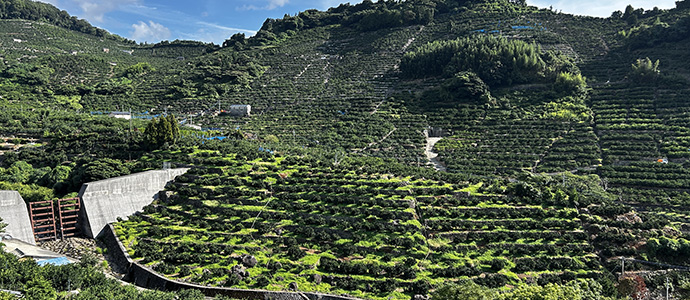
Regional Characteristics of KawachiKawachi-machi in Nishi Ward, Kumamoto City, is blessed with mountains full of nature to the east and views of the Ariake Sea, the largest tidal flat in Japan, to the west. The area has long been known for its livelihood tied to the blessings of the sea, including mikan cultivation and seaweed farming. Terraced orchards spread across the mountain slopes, offering sweeping views of the Ariake Sea and Mt. Unzen-Fugen, making the region not only productive but also scenic.
Kumamoto’s Unshu MikanKumamoto City ranks fourth nationwide in mikan cultivation area, making it one of Japan’s leading citrus-producing regions. The orchards spread across the foothills of Mt. Kinpo on the city’s western side, where mikans are carefully nurtured amid rich natural surroundings.
Harvesting begins in mid-September, peaks in November, and continues through the end of the year. To produce the best-tasting fruit, growers use white reflective sheets to enhance sunlight exposure and carefully manage soil moisture levels. In the Kawachi area introduced here, unique local conditions, such as sea breezes and the terraced terrain, further enhance the flavor of the mikans.
Shipments begin in mid-September with gokuwase mikan, an early-ripening variety harvested from September to October, known for its refreshing aroma, sweet-tart balance, and juiciness. From late October, wase mikan (early varieties) follow, and then the regular mikan, distinguished by its rich sweetness. Kumamoto City continues to rank fourth nationwide in Unshū mikan cultivation area, proudly representing one of Japan’s premier citrus-growing regions.
04. TOCHIGI
Enticed by a Sweet Aroma, Encountering the “Heart Strawberry” Tochiaika in Wintertime Tochigi
A short journey from the Tokyo metropolitan area to Tochigi, the “Kingdom of Strawberries” nurtured by nature
Just an hour by Shinkansen from Tokyo, Tochigi Prefecture lies in the northern part of the Kanto region, surrounded by the rich nature of Nikko’s mountains and the Nasu Highlands. Blessed with abundant water resources, fertile soil, and long daylight hours, Tochigi has long been known for its delicious agricultural produce. Among them, the star of autumn and winter is strawberries, a symbol of pride for the prefecture. Since 1968, Tochigi has remained Japan’s top strawberry producer, earning nationwide recognition as the “Strawberry Kingdom.”
The beloved new star, discovering the charm of Tochiaika
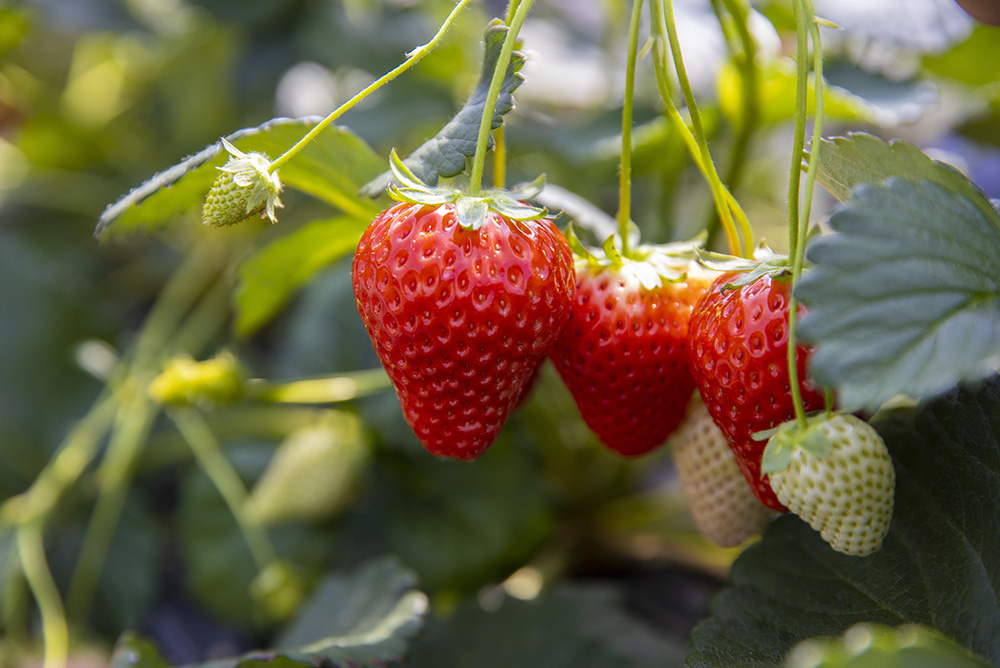
Leading the next generation of Tochigi’s strawberries is the prefecture’s original variety, “Tochiaika,” launched in 2019. Its name derives from “Tochigi’s beloved fruit.” The berries turn a vivid red right up to the calyx, and when sliced vertically, reveal a perfect heart-shaped cross-section.
Take one bite, and the juicy sweetness and gentle acidity create a beautifully balanced flavor. With firm flesh and excellent shelf life, Tochiaika is also popular as a gift. Developed by the Strawberry Research Institute of the Tochigi Prefectural Agricultural Experiment Station, this strawberry represents the culmination of years of expertise. It is visually appealing, delicious to eat, and dependable to grow.
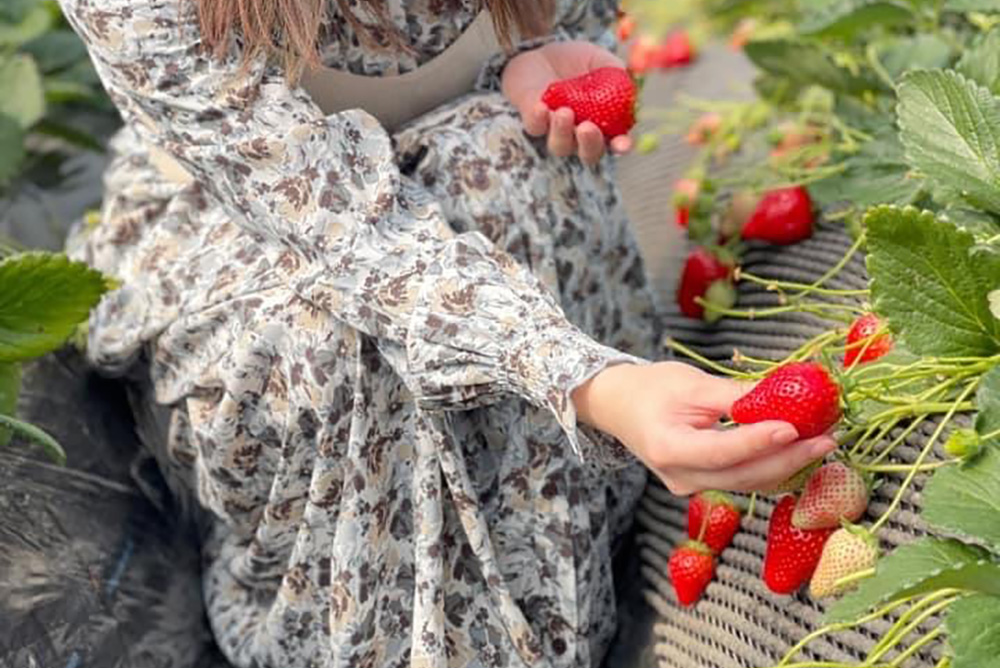
In winter, strawberry picking is one of Tochigi’s most popular attractions. From around January through spring, visitors can enjoy picking fully ripened red strawberries and tasting them on the spot at farms across the prefecture. Cafés and hotels in Utsunomiya, Nasu, and Sano also offer seasonal desserts made with generous amounts of Tochiaika, from parfaits and shortcakes to waffles, each a photogenic treat. The freshly picked sweetness and tartness enjoyed during a winter getaway are true indulgence that warms the heart.
At many farms, local growers are happy to explain their cultivation methods and the characteristics of each variety. The sweetness of Tochiaika, savored alongside the warmth of local hospitality, leaves a lasting memory for every visitor. When you visit Tochigi this winter, be sure to experience firsthand the true charm of the Strawberry Kingdom through its beloved Tochiaika.
05. NASUSHIOBARA
Nasushiobara City – A Highland Retreat of Nature and Tradition
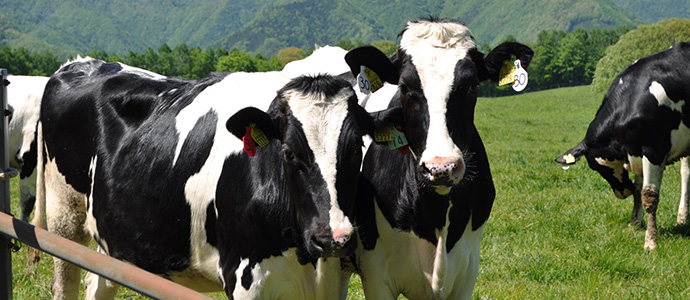
Nestled in northern Tochigi Prefecture, Nasushiobara City is a nature-rich highland destination, just about 70 minutes from Tokyo by Shinkansen. The city lies within Nikkō National Park, home to historic hot spring resorts such as Shiobara Onsen and Itamuro Onsen, each with a history of over a thousand years. With its majestic mountains, colorful seasonal landscapes, and beautiful valleys, Nasushiobara is also known as Japan’s top producer of raw milk on Honshu Island. Visitors can enjoy fresh dairy products and local vegetables, and take advantage of a wealth of sightseeing and shopping spots, including roadside stations (Michi-no-Eki), historical sites, and outlet malls, making it a place where nature and urban charm harmoniously coexist.
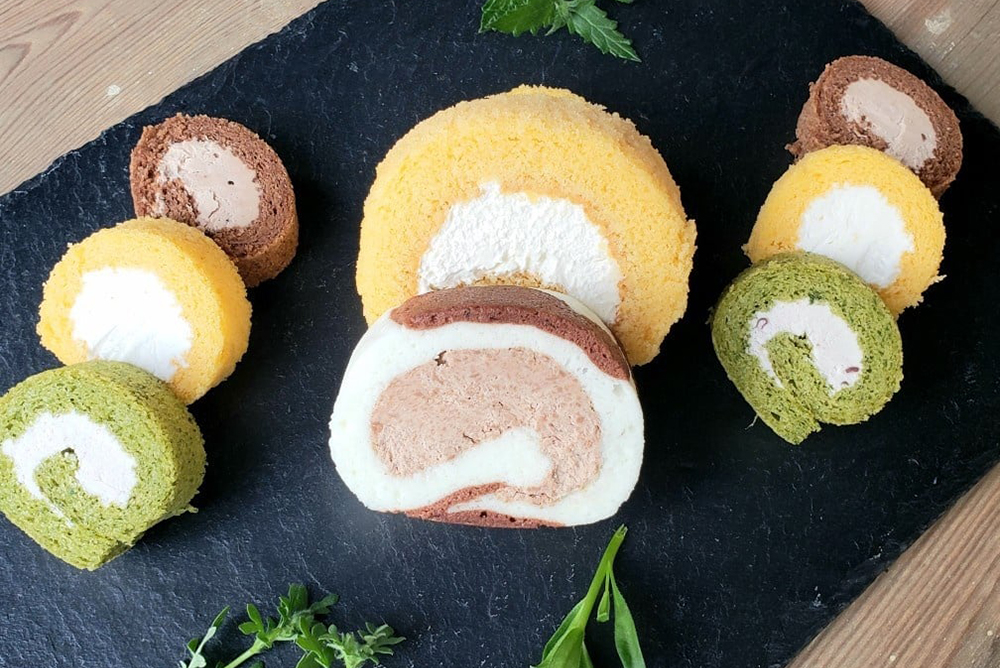
Ushi Roll & Mini Roll Cakes Made with Local Rice Flour
At Agri no Café, visitors can enjoy handmade sweets and gelato showcasing the best of local produce, including rice, fresh vegetables, and fruits sold directly at nearby markets. The café uses homemade rice flour made from locally grown Koshihikari rice, Nasushiobara-certified pasteurized milk, and Nasu Goyo eggs, ensuring quality and care in every ingredient. Their menu features a delightful selection, including milk and seasonal fruit or vegetable gelato, vegetable stick cookies, rice flour muffins, and brown rice rolls.
Agri Pal Shiobara
442 Sekiya, Nasushiobara City, Tochigi, 329-2801
TEL: 0287-35-4401
https://agripal-shiobara.com/pages/15/
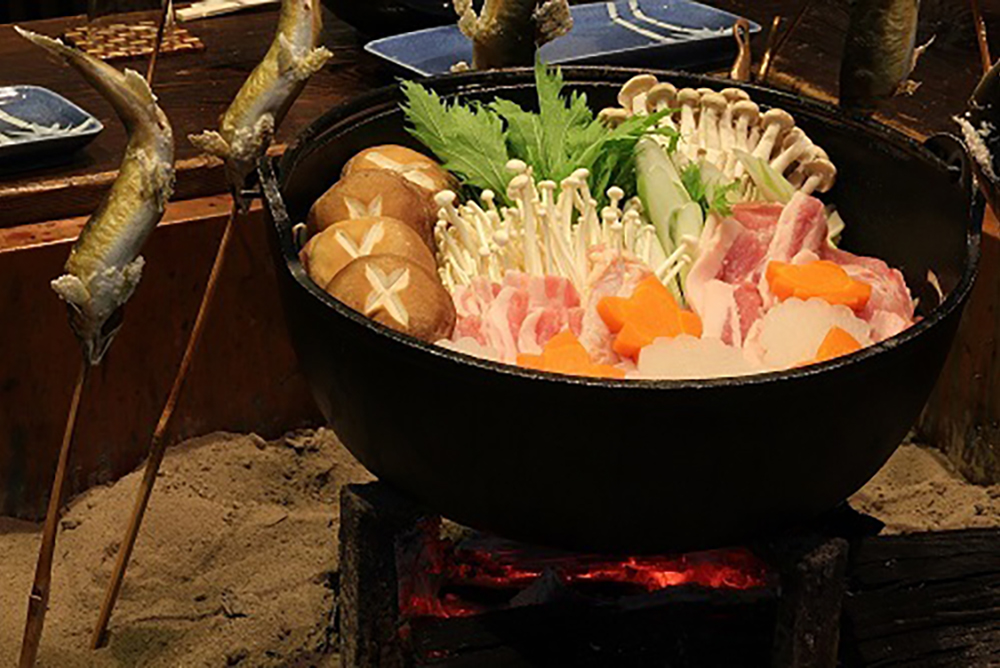
This hearty local dish uses only fresh, locally grown ingredients such as daikon radish, carrots, and leeks. The Makigari Hotpot includes dumplings made from Nasu’s autumn buckwheat flour and is served with flavorful mushroom rice. At Nōson Restaurant Seki-no-Sato, guests can enjoy handmade soba and udon noodles made from contract-grown wheat and buckwheat, as well as a variety of dishes prepared with seasonal vegetables from the region.
The Makigari Hotpot is a traditional meal that traces its roots to a grand hunting event once held on the Nasu Plain by Shogun Minamoto no Yoritomo during the Kamakura period. Today, it has been modernized and revived as a symbol of local heritage, using ingredients certified under the Nasushiobara Brand.
Roughly 800 years ago, samurai from Kamakura gathered in the Nasu fields for a large-scale hunt known as the Nasuno Makigari. Afterward, they feasted together on a massive stew of venison, boar, and bear cooked in a large pot. The modern Makigari Hotpot recreates this legendary feast for today’s generation.
There are three types of pots: the Taisho-nabe (General’s Pot) with a diameter of 2.2 meters, the Busho-nabe (Warlord’s Pot), and the Seko-nabe (Hunter’s Pot). The largest can serve approximately 2,500 portions at once, bringing to life the festive atmosphere of a medieval banquet. (Seko refers to the local hunters who drove game from the forests and mountains.)
This culinary tradition continues to be a proud symbol of Nasushiobara, where the spirit of hospitality and the flavors of the past are passed down through the centuries.
06. TOYAMA
Exquisite “Himi Kan-buri” – The Pride of Toyama Bay
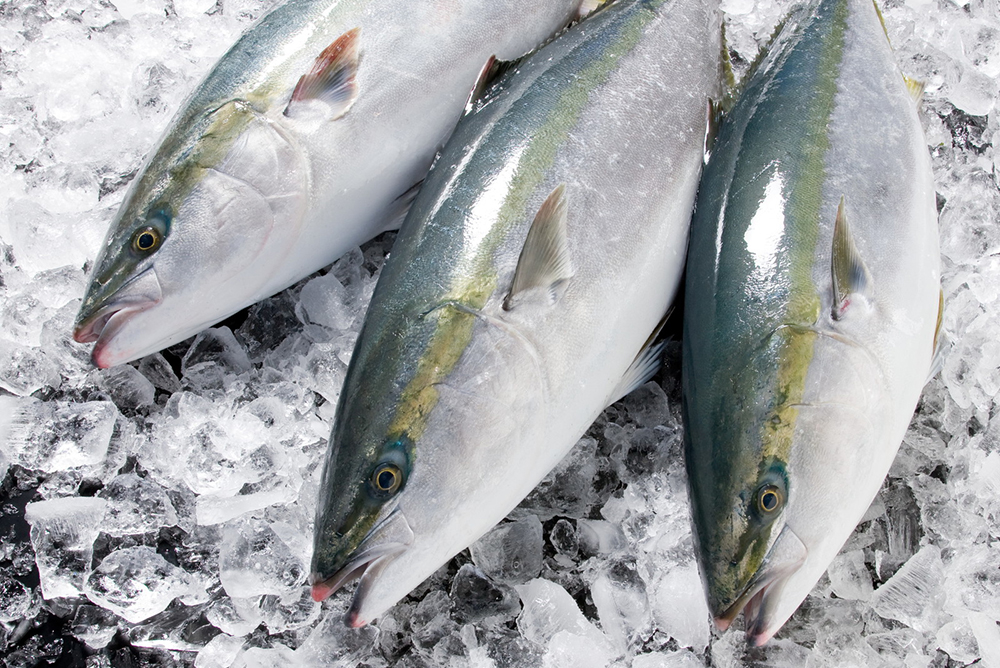
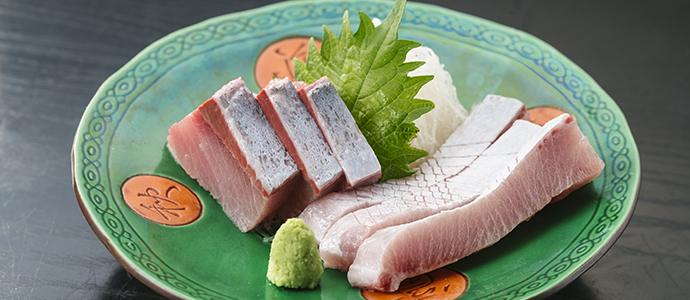
Kan-buri refers to yellowtail caught in winter, when the fish are at their fattest before spawning, having stored ample nutrients. Among them, Himi Kan-buri—landed at Himi Port on Toyama Bay—is celebrated nationwide for its exceptional quality. Only wild-caught yellowtail that meet strict standards for size, fat content, and freshness earn this prestigious name.
The fishing season runs from mid-November through February, and when the “Himi Kan-buri Declaration” is announced, it signals the arrival of winter’s most anticipated delicacy, drawing attention from gourmets across Japan. Toyama Bay’s unique geography—where deep waters extend just off the coast—allows migratory fish from the open sea to approach close to shore, ensuring they are landed at peak freshness. Moreover, local fishermen immediately chill the catch with ice water on their boats, a technique called okijime, which locks in the exquisite flavor of Himi’s prized yellowtail.
A Beloved Taste on Toyama’s Winter Table
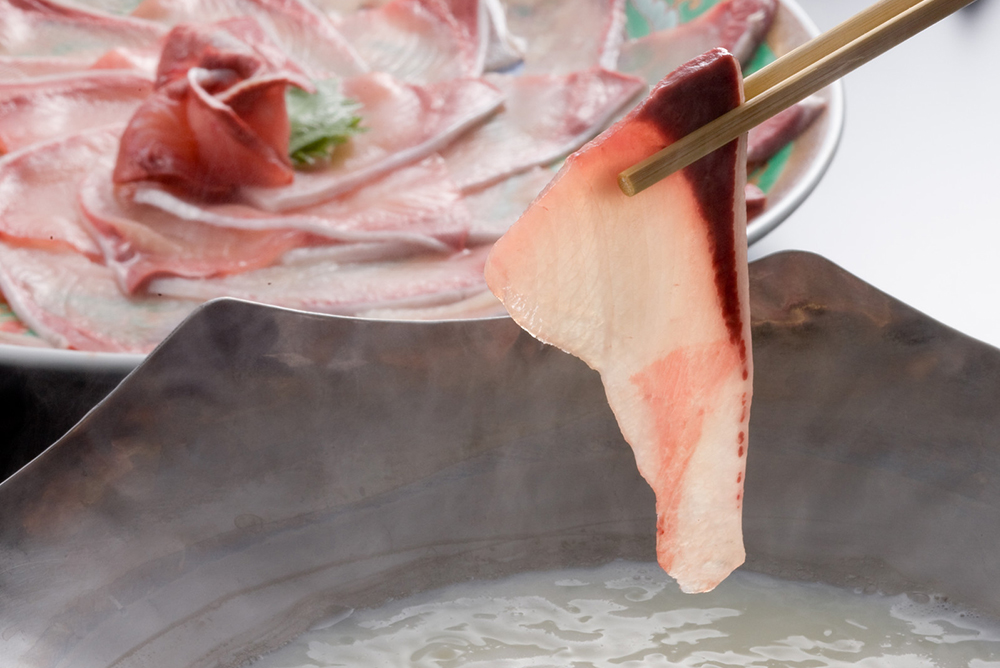
In Toyama, Kan-buri is more than a luxury fish—it is a cherished symbol of winter life. It graces tables in many forms: as sashimi, teriyaki, or local specialties such as buri-daikon (yellowtail simmered with daikon radish) and kabura-zushi(fermented yellowtail and turnip sushi). During the New Year season, it is also a popular gift and festive dish. In recent years, buri-shabu—thinly sliced yellowtail lightly swished in hot broth—has become a modern favorite, loved for its melt-in-the-mouth texture and delicate sweetness.
Yellowtail is also known as a shusse-uo—a “fish of success,” whose name changes as it grows, symbolizing advancement in life. In Toyama, it has long been considered an auspicious fish, traditionally given as a wedding gift (yome-buri) and reciprocated with a return gift of half a fillet (hanmi-gaeshi). Thus, buri is more than a delicacy—it’s a bond that connects people and generations.
Toyama’s Kan-buri represents the harmonious blend of its natural environment, traditional fishing methods, and local culture. Its exceptional quality has earned acclaim from markets and fine restaurants across Japan.
If you visit Toyama in winter, don’t miss the chance to savor authentic Himi Kan-buri. As the rich fat melts on your tongue, you’ll taste the perfect union of Toyama Bay’s natural blessings and the craftsmanship of its fishermen—a true moment of culinary bliss.