A Table Where Cultures Meet
Azerbaijani Cooking Day at the Embassy Residence in Tokyo, where tradition, memory, and hospitality are shared through cuisine

An Intimate Table of Culture in Tokyo
On a quiet weekday afternoon in February, the residence of the Embassy of Azerbaijan in Tokyo opened its doors to seven Japanese culinary professionals for an intimate gathering titled Azerbaijani Cooking Day.
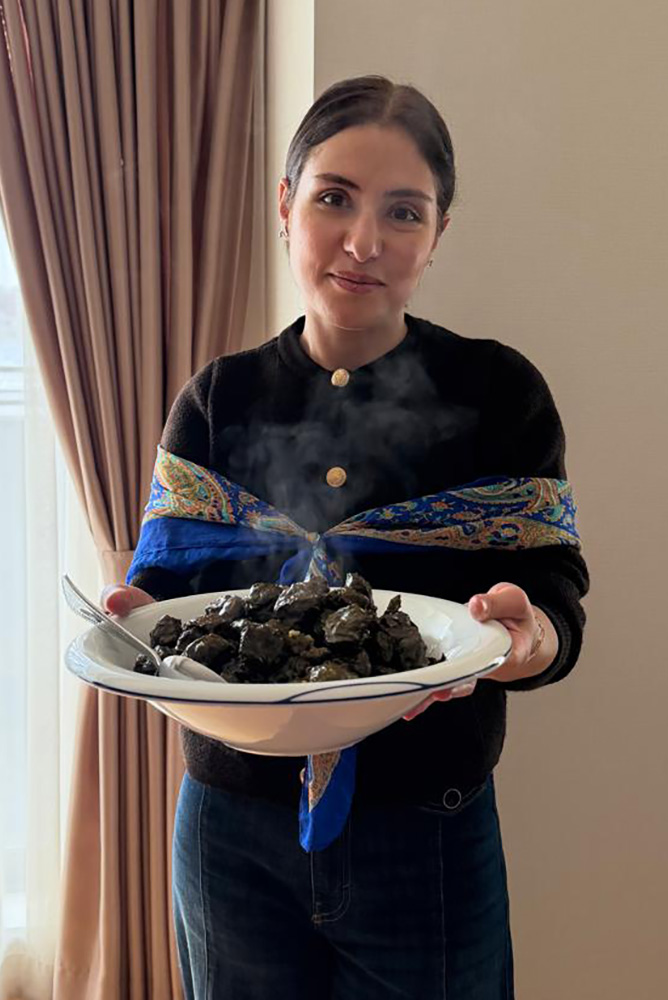
Guided by the Ambassador’s spouse, Ms. Nargiz Talibova, who graciously hosted the gathering, guests were invited not merely to observe, but to take part. Together, they prepared traditional dishes such as dolma, sharing both culinary technique and warm conversation before gathering around a beautifully set table.
What unfolded was more than a cooking session. It was a rare cultural encounter in which cuisine became a language of hospitality, memory, and connection. We visited the residence to capture this elegant moment, where food and diplomacy met at the same table.
The Essence of Azerbaijani Cuisine
Azerbaijani cuisine reflects the harmonious blend of Eastern and Western cultures and is distinguished by its unforgettable flavors and rich culinary traditions. Food also plays an important role in festive tables in Azerbaijan. The cuisine is characterized by the abundance of meat, fish, vegetables, herbs, spices, and seasonings, which together create its unique taste and diversity. Key features of Azerbaijani cuisine include the moderate use of spices, the use of butter in cooking, and the serving of well-balanced meals that combine fresh greens and vegetables with a wide variety of meat dishes.
Another distinctive aspect is the active use of ingredients such as pomegranate, sumac, saffron, quince, and chestnuts, as well as fresh herbs like mint, basil, and cilantro. Azerbaijani cuisine is also famous for its dozens of varieties of pilaf, where rice is traditionally served separately from the gara—a flavorful accompaniment made from meat, fruits, or other ingredients.
Dolma is another hallmark of the national cuisine. While it is commonly prepared with grape leaves, it is also made using vegetables such as eggplant, tomatoes, peppers, and cabbage. A well-known traditional dish is dovga, a refreshing soup made from yogurt (gatyg) and herbs, which is particularly distinctive in the region.
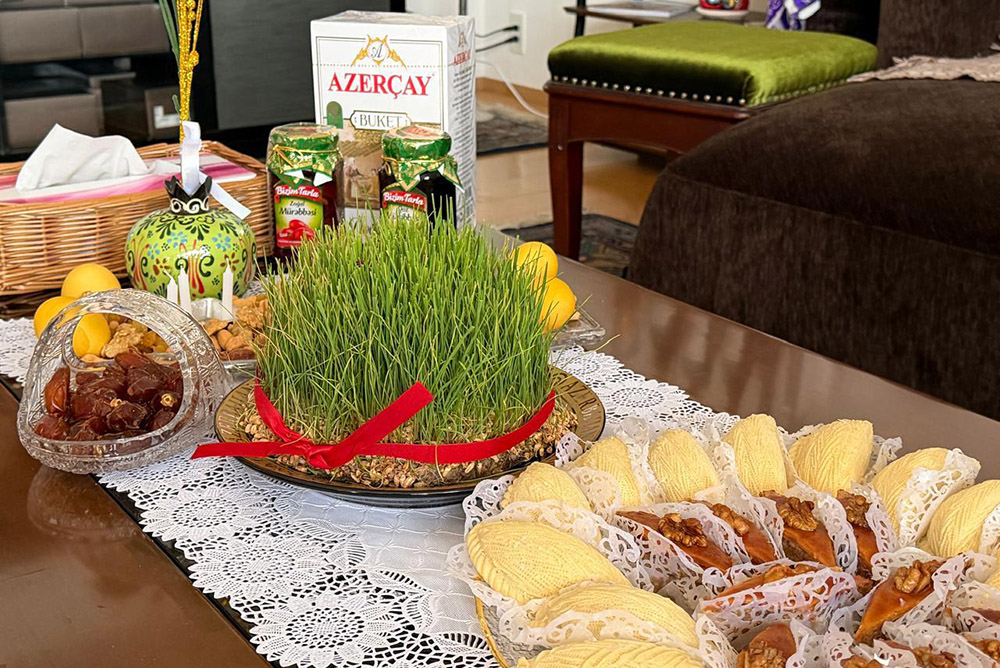
Finally, Azerbaijani cuisine is renowned for its rich variety of sweets, including shekerbura, baklava, and sheker-churek. With their delicate flavors and distinctive preparation methods, these desserts enhance the richness, color, and vibrancy of Azerbaijani culinary culture.
A Table of Celebration
The Story Behind the Embassy Menu
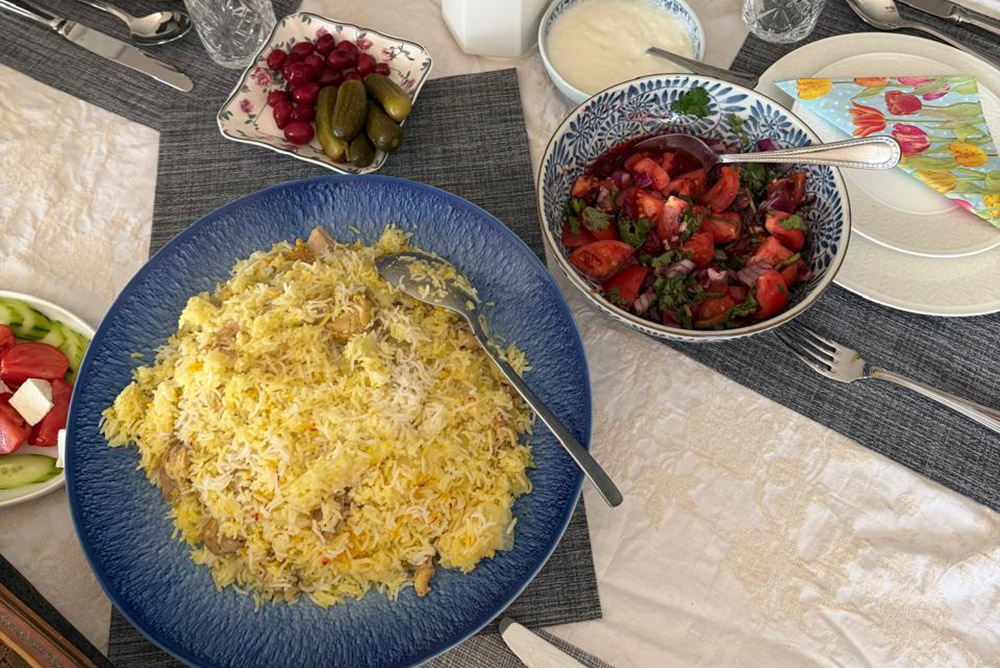
All the dishes that guests have just tasted are among the main dishes traditionally served at Azerbaijani feasts—at weddings, birthdays, and holidays. No Azerbaijani family celebration is complete without them. Due to limited time, this presentation included only a small part of the rich variety of dishes in Azerbaijani cuisine.
Dolma, one of the most beloved dishes of Azerbaijan, holds a special cultural significance. The tradition of preparing Azerbaijani dolma was inscribed on the UNESCO Representative List of the Intangible Cultural Heritage of Humanity in December 2017 during the Intergovernmental Committee meeting held in South Korea. UNESCO recognizes dolma as a dish widely practiced in Azerbaijan and an important element of the country’s culinary heritage. It can be considered a true culinary monument, with many varieties—more than ten types are prepared in Azerbaijan alone.
Another iconic dish is saffron plov. Azerbaijani plov is unique because the rice and the base, known as gara, are prepared separately. The dish is characterized by the use of saffron, the generous addition of dried fruits and herbs, and the obligatory presence of gazmakh—a crispy crust made from lavash or dough at the bottom of the cauldron. The rice always remains light and fluffy, while the meat and other ingredients are served separately and mixed only on the plate. That is why I chose these two dishes to present today. When I cook them, they always bring back warm memories of my childhood and of my grandmother, who cooked these meals and taught me how to prepare them. As people say in Japan, it evokes a feeling of 懐かしい (natsukashii)—a nostalgic warmth that reminds one of cherished memories from the past.
The Language of Flavor
Pairing, Balance, and the Art of Azerbaijani Cuisine
One of the main principles of Azerbaijani cooking is the careful preservation of the natural flavors of ingredients. For example, when preparing meat dishes over an open fire, chefs rarely use many spices, relying mainly on salt and pepper. This approach allows the natural aroma and flavor of the meat to fully develop.
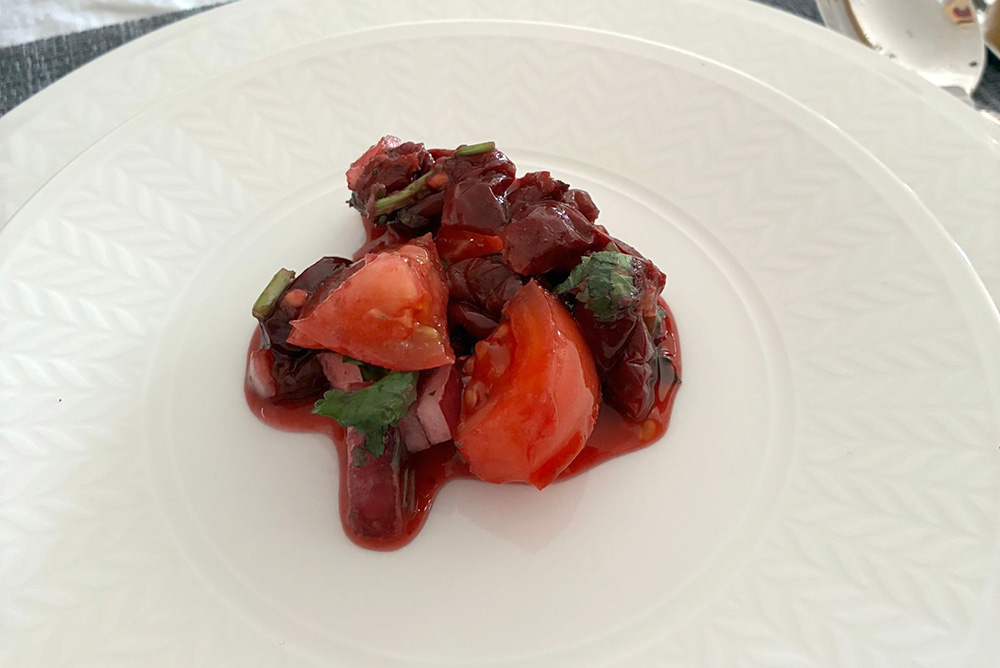
However, when dishes are cooked in pots or pans, a wider variety of spices is often used. Ingredients such as coriander, saffron, barberry, and Syrah grapes add distinctive aromas and flavors to many traditional dishes.
Another notable feature is that almost all Azerbaijani dishes are prepared with butter. Whether it is pilaf, dolma, kofta, or many other meals, butter is considered an essential ingredient that gives the dishes a special softness and rich taste.
Azerbaijani cuisine is also well known for its meat dishes, which pair perfectly with local dry and semi-sweet wines. In addition, the Azerbaijani tea ceremony is an important symbol of hospitality. Strong black tea is traditionally served in pear-shaped armudu glasses, which help retain heat. Tea is usually enjoyed both at the beginning and at the end of a meal, often accompanied by sugar, lemon, jam, and sweets. Serving sweet tea is considered a sign of respect, and in traditional matchmaking customs it symbolizes consent, while unsweetened tea signifies refusal.
Since Japan is famous for its fish dishes, I would be very happy to explore a culinary collaboration between Japanese fish traditions and one of Azerbaijan’s well-known specialties—fish levengi. Levengi (or lyavyangi) is a famous dish of Azerbaijani cuisine consisting of chicken or fish stuffed with a savory mixture of walnuts, onions, and sour cherry plums (turshu). A distinctive feature of this dish is the use of dried cherry plums or lavashan (fruit pastila), which creates a characteristic tart flavor that contrasts beautifully with the richness of the walnuts. The fish is stuffed with the filling, coated with pastila on the outside, and baked in the oven or in a tandoor until golden brown.
The taste of levengi is rich, nutty, fruity, and slightly spicy, with a distinctive pleasant tartness. This dish is often considered a symbol of Azerbaijani hospitality and is frequently prepared for special occasions and festive gatherings.
From Memory to MasteryA Culinary Journey Shaped by Family and Time
My culinary journey began in childhood. When my grandmother and mother cooked—especially for guests—I was always their little assistant. At first, I helped by bringing ingredients and putting things away. Later, I progressed to peeling potatoes and onions, and eventually to chopping them. Gradually, I reached the point where I was trusted to prepare dishes entirely on my own and serve them.
I have always treated cooking with great reverence. For me, it requires patience, respect, and love, because I see it as a form of art. To be honest, after I cook and serve a dish, I sometimes even feel a little sorry to eat it.
Whenever I feel sad or upset, I go to the kitchen and start creating. Cooking helps me feel better, and I truly enjoy experimenting and trying to make something new.
Food as Identity
A Philosophy Rooted in Culture, History, and Respect
For me, food is about understanding eating as a cultural, historical, and ethical act that goes far beyond simply satisfying hunger. It is about paying attention to what we eat, how we eat, and why we eat, and recognizing how these choices affect our health, well-being, and even our way of thinking. Food reflects fundamental traditions and history, and it is a powerful way to bring people together around a common table. It is also about enjoying the taste, aroma, and aesthetic beauty of a dish.
Especially when you are abroad and representing your country, you do not cook merely to feed people. Through food, you present the culture, history, traditions, and hospitality of your homeland.
A Table Without Borders
How Food Connects Cultures and Builds Understanding
Learning about traditional dishes allows us to understand the history, values, and lifestyles of other people. Food serves as a powerful tool of “gastrodiplomacy,” helping to overcome cultural barriers and foster mutual understanding between nations. Sharing a meal breaks down stereotypes and creates friendships. I truly believe that any dispute or misunderstanding can be resolved over a delicious meal. As the popular saying goes, it is difficult to think clearly on an empty stomach.
A Culinary Bridge Between Nations
The Future of Japan–Azerbaijan Gastronomic Exchange
I do not only have hopes—I am fully confident that gastronomic relations between Japan and Azerbaijan will continue to grow and reach a new level. Japanese cuisine and products are already very popular in Azerbaijan, and I believe that Azerbaijani cuisine will soon become popular in Japan as well. In fact, an Azerbaijani tea and sweets café named Zakuro no Ki recently opened in Osaka, so be sure to visit it.
A Taste of Japan, Through the Heart
Personal Encounters with Japanese Cuisine
To say that I love Japanese cuisine is an understatement... I fell in love with it at first taste - as I noted earlier, food is an art for me, and through food I understand the essence of people! The distinctive features of Japanese cuisine deeply impress me: the careful selection of seasonal ingredients (which is also similar to our cuisine), minimal heat treatment that preserves the natural flavor of the products, and of course the presentation—an art form in itself.
It is difficult for me to choose just a few dishes, but several of them touched me deeply. The first is okonomiyaki, which my Japanese friend once prepared for me. She bought all the ingredients, came to my home, and cooked it herself. It was not just food—it was an expression of love, sincerity, and respect.
Another dish is donburi. I had seen it many times but somehow never had the chance to try it. One day my neighbor and I decided to have a shared lunch where we would exchange our cuisines. I prepared Shah Plov, and my Japanese neighbor cooked donburi. I was delighted—by the taste, the presentation, and the variety.
And finally, takoyaki. My Japanese friends—whose children attended the same International School as mine—once ordered it for me. It was incredibly delicious and truly unforgettable. All of these experiences bring back warm and pleasant memories of my time in Japan.
At the Embassy residence that afternoon, what was shared was not only food, but a deeper understanding, one that lingers long after the last dish is cleared.
In every carefully prepared plate, Azerbaijan revealed itself, not through words, but through warmth, memory, and the quiet power of hospitality.