A Taste of Fukushima in the Heart of Tokyo: Where Region and People Connect from Nihonbashi
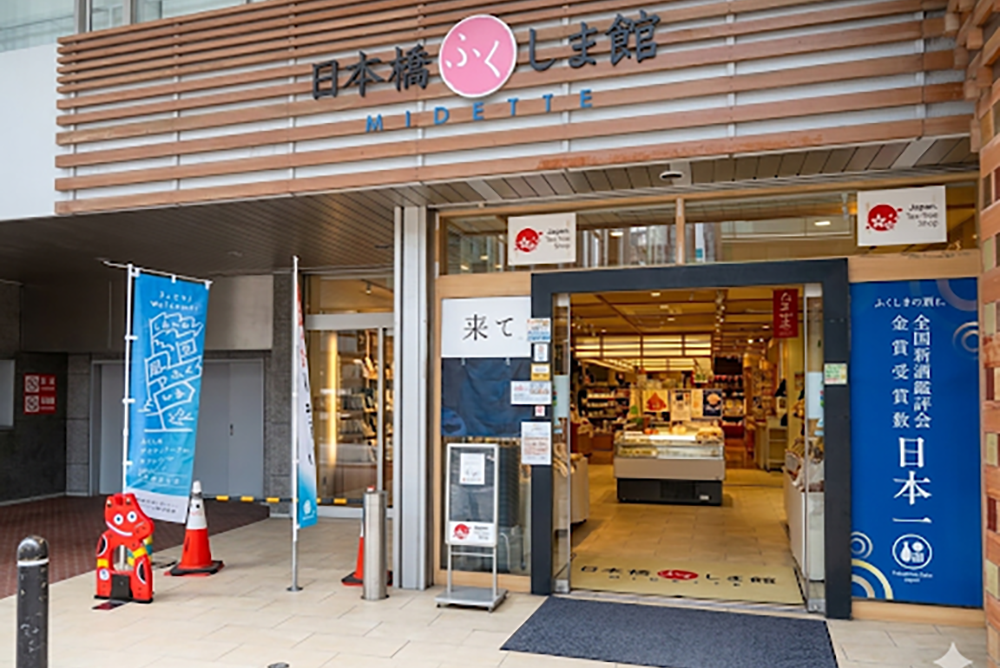
Amid the towering office buildings of Tokyo’s Nihonbashi business district, there is a place that gently warms the heart. Step inside, and you are transported, as if by instinct, to Fukushima, experiencing its spirit through all five senses without ever leaving the city. This is Nihonbashi Fukushima-kan MIDETTE, an information and cultural hub that brings the richness of Fukushima Prefecture to the Tokyo metropolitan area.
About Fukushima Prefecture
Fukushima’s appeal is remarkably diverse, spanning abundant nature, deep-rooted history, traditional culture, and a rich culinary heritage. Located just about 90 minutes from Tokyo by Shinkansen, it is easily accessible even for a day trip, making it one of Japan’s most attractive travel destinations.
Among its highlights is the Aizu-Wakamatsu area, home to Tsuruga Castle, one of Japan’s few remaining historic castles. Here, visitors can encounter clear and compelling expressions of iconic Japanese concepts such as the samurai spirit and bushidō.
Beyond this, destinations such as Urabandai and Ouchi-juku continue to captivate international travelers, offering landscapes and cultural experiences that feel both timeless and distinctly Japanese.
Nihonbashi Fukushima-kan MIDETTE
Positioned at the forefront of promoting Fukushima in the Tokyo metropolitan area, Nihonbashi Fukushima-kan MIDETTE serves as a vital gateway between the region and the capital. Its nickname, “MIDETTE,” comes from a Fukushima dialect expression meaning “Come and see, come and visit,” carrying with it a warm and inviting spirit.
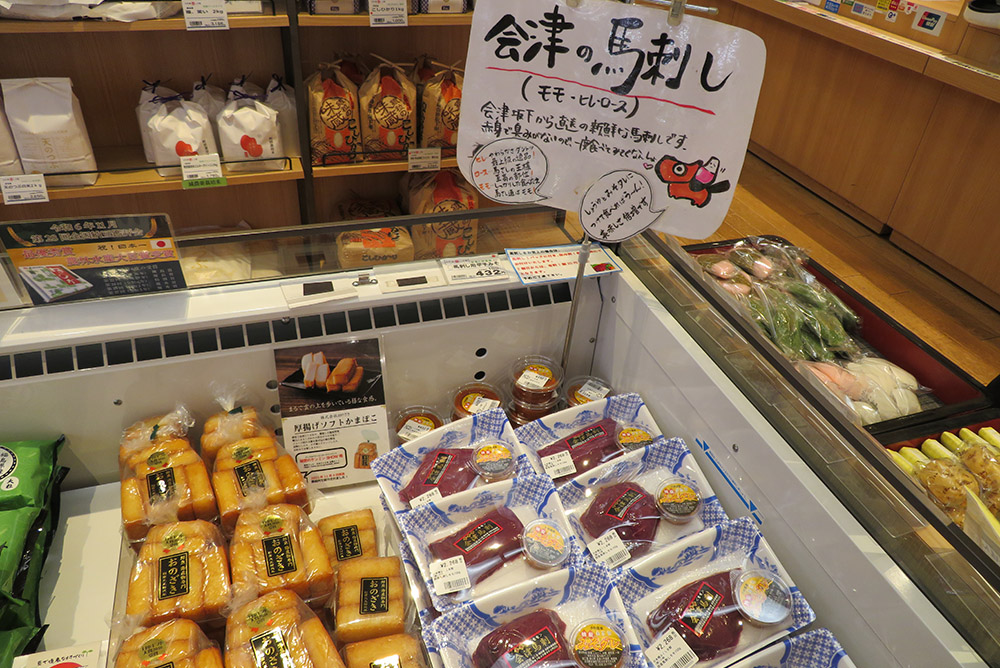
Inside the shop, visitors are introduced to a carefully curated selection of Fukushima’s finest, from nationally celebrated sake and seasonal fruits to traditional crafts. Alongside these products, the space also functions as a living information hub, offering timely updates on seasonal travel and regional highlights.
The clientele is notably diverse, ranging from those with roots in Fukushima to nearby business professionals and international visitors. What sets the experience apart is the human touch: handwritten POP displays accompany many items, sharing not only tasting notes but also texture, serving suggestions, and personal recommendations that go beyond what packaging alone can convey. These small details create a space that feels both intimate and sincere.
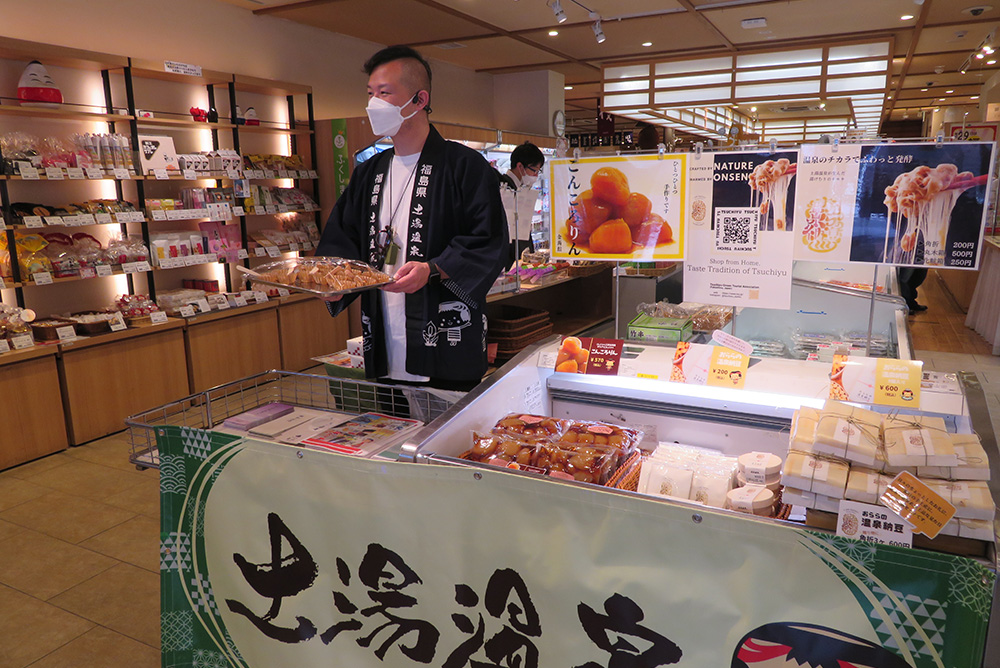
MIDETTE also actively embraces participation. Visitors may encounter hands-on experiences such as miso-making workshops, live demonstrations and sales of Fukushima’s beloved awa manju, or freshly prepared soba served on-site. These interactive elements transform a simple retail visit into a deeper cultural encounter.
Another defining feature is the presence of producers from various municipalities, who occasionally stand in-store to present their products directly. Through these face-to-face exchanges, visitors gain insight into local life and the passion behind each creation, experiences that often inspire future travel to the region.
At the tourism information counter, dedicated staff are available to assist with personalized travel planning, offering tailored recommendations that connect each visitor more closely with Fukushima itself.
Fukushima’s Proud Specialties and Traditional Crafts

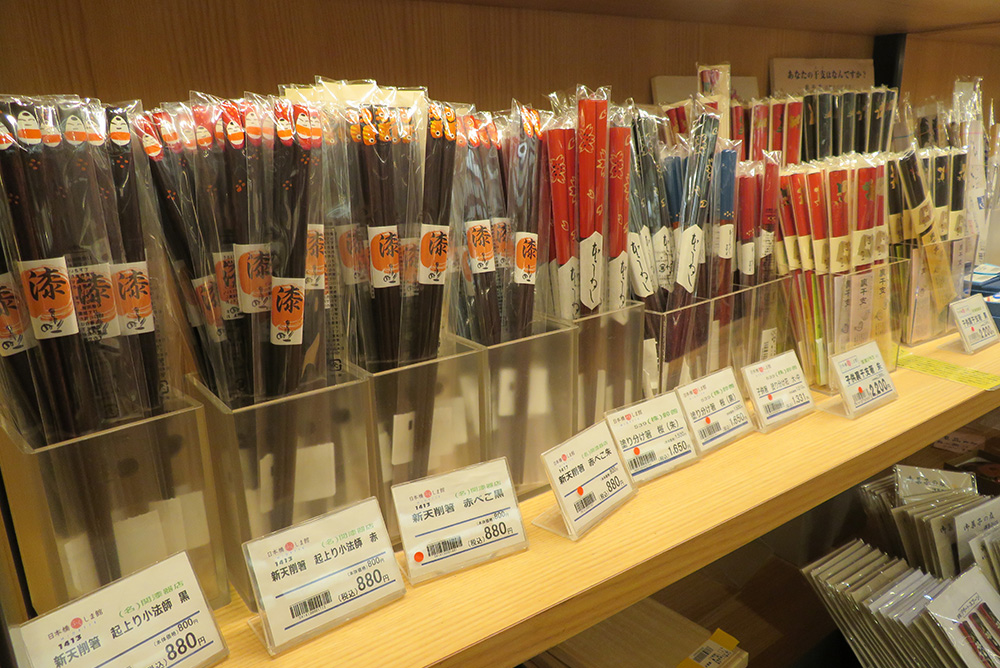
The shelves are filled with products that honor tradition while thoughtfully responding to modern tastes. Among the most iconic are Fukushima’s beloved confectioneries, Mamador and Usukawa Manju, both of which remain enduring bestsellers with an almost iconic status.
Alongside these classics, the selection reveals impressive diversity. Processed delicacies made from the deep-sea fish mehikari, as well as premium rice such as Fuku, Warai, one of Fukushima’s top-tier brands, offer visitors a broader taste of the region’s culinary depth.
In the realm of traditional crafts, the range extends from rustic everyday wares to refined pieces of near-artistic quality. Aizu Hongo ware stands out for its versatility and long heritage, while Obori Soma ware, known for its distinctive double-layered structure, combines beauty with practicality, allowing even hot contents to be handled comfortably.
Smaller items rich in cultural meaning also capture attention. Chopsticks, the iconic red akabeko figurine, and miharu-goma wooden horses are cherished as symbols of good fortune, making them especially popular among international visitors seeking authentic and meaningful Japanese souvenirs.
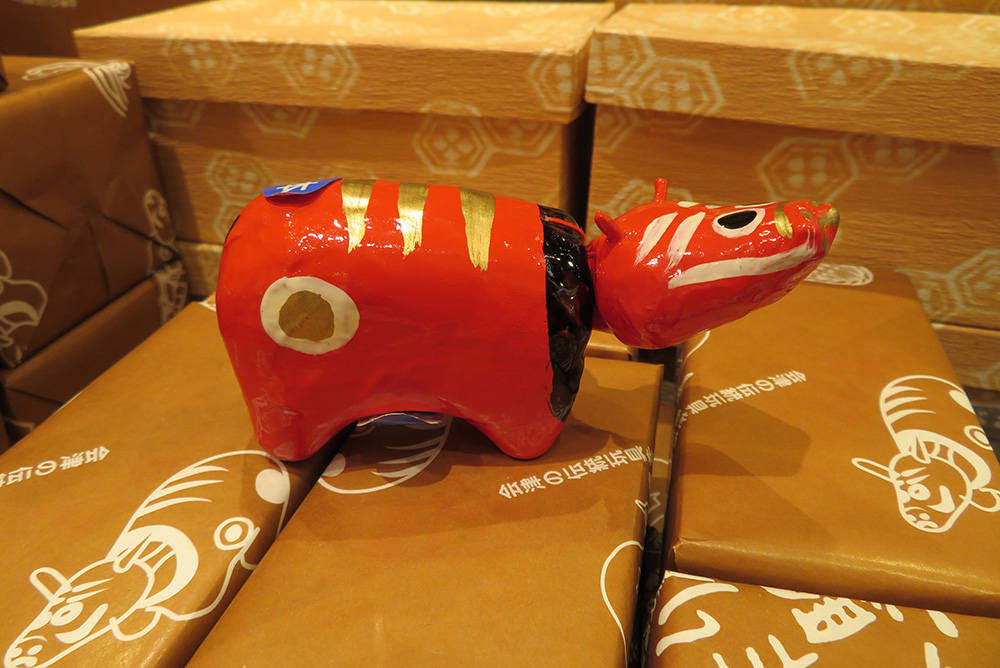 Akabeko
Originating from a legend in which a red cow warded off illness in children, Akabeko is one of the most iconic folk toys of the Aizu region. The word beko means “cow” in the local dialect. Its charming design, with a head that gently nods when touched, has made it a beloved symbol for generations. Long cherished as a talisman for good health and protection from illness, it continues to resonate with visitors today.
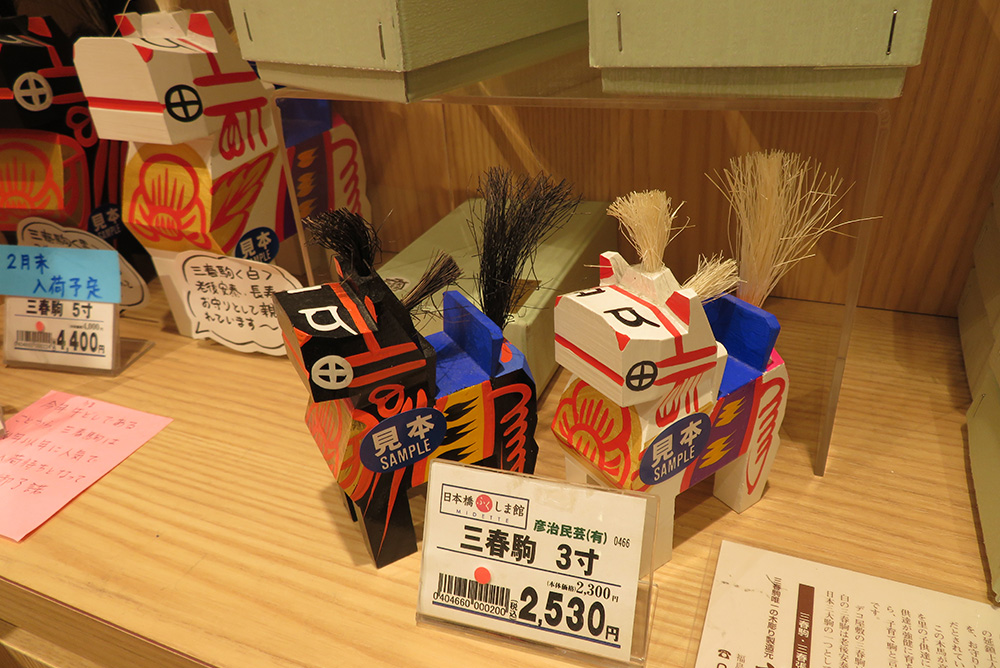 Miharu-goma
Crafted in Takashiba Dekoyashiki in Koriyama City, Miharu-goma is a traditional wooden horse toy with deep cultural roots. For centuries, it has been treasured by local families as a charm symbolizing healthy childhood growth and fertility, carrying with it the hopes and prayers of the community.
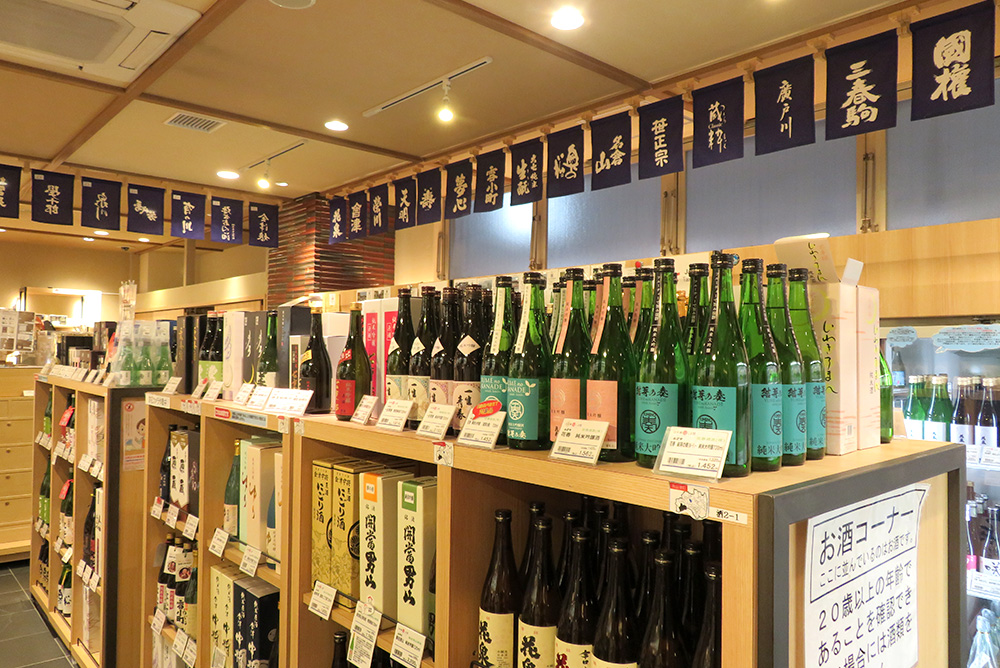
The sake section rivals that of a specialty boutique, offering an impressive lineup that reflects Fukushima’s reputation as one of Japan’s premier sake regions. Many labels have received prestigious awards, and several stand out for their compelling stories. Among them is Joji sake, produced by a historic brewery with a unique past, having transitioned from a samurai lineage into the world of sake making.
A Lively Dining Corner to Savor
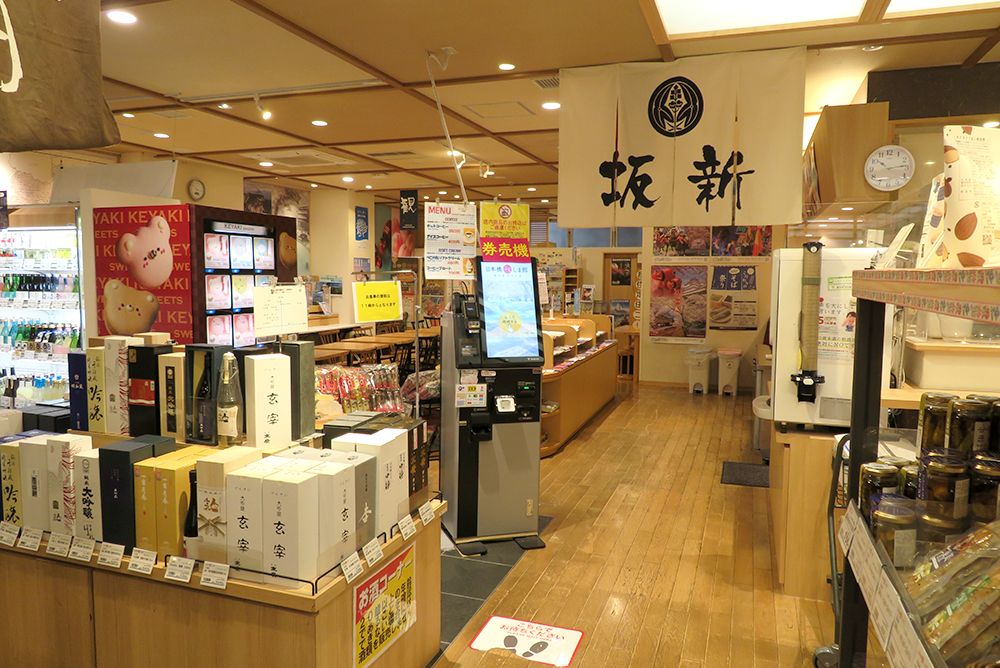
The dining area is one of MIDETTE’s most vibrant attractions, catering seamlessly to both weekday business crowds and weekend family visitors. On weekdays, the lunch rush peaks around noon, while weekends draw food lovers eager to experience authentic regional dishes such as Kitakata ramen.
What makes this space particularly compelling is its rotating lineup. Local businesses from across Fukushima take turns operating the kitchen, meaning that each visit offers a new opportunity to encounter flavors straight from the region.
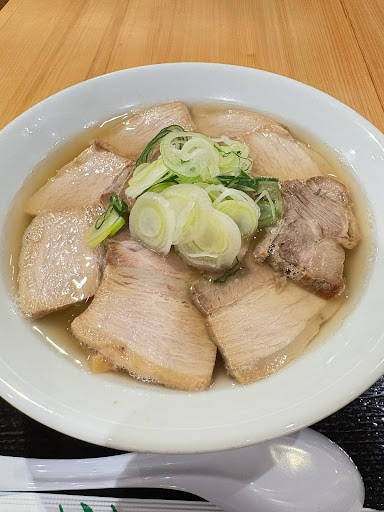
One standout example is the signature niku soba (JPY 1,250) from “Sakashin,” a renowned shina soba shop from Aizu-Wakamatsu. The bowl features generous slices of thick, tender chashu pork with a delicate, almost silky texture. Paired with a light yet flavorful broth that clings beautifully to curly noodles, it delivers a deeply satisfying experience.
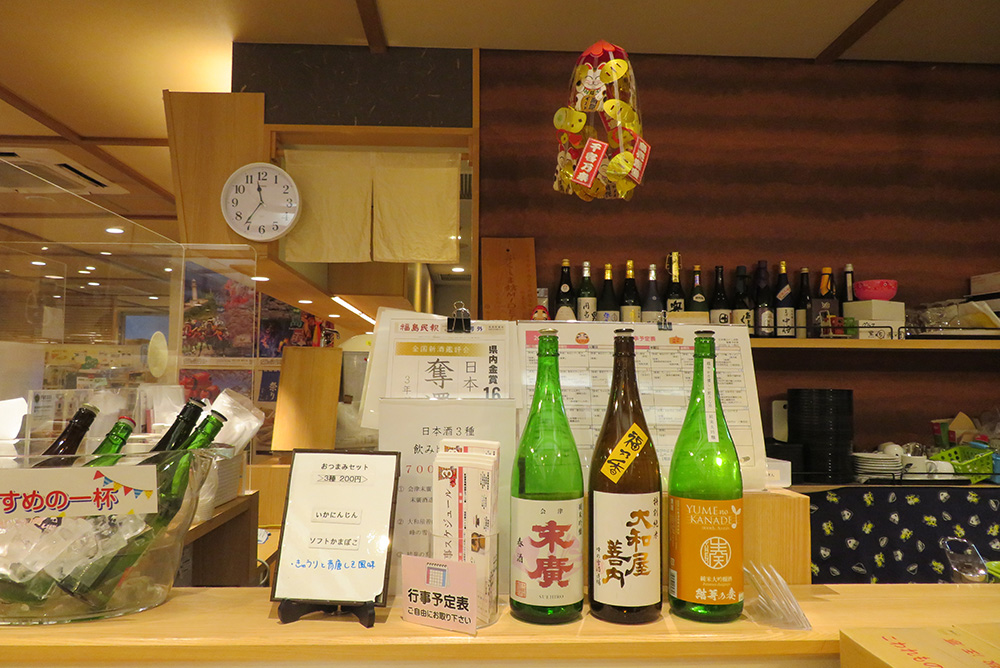
For those seeking a more casual indulgence, the sake tasting set (JPY 700), offering three different varieties, is especially popular as an after-work treat. Complementing this is a small appetizer set (JPY 200), which includes local specialties such as ika ninjin, a traditional Fukushima dish of shredded squid and carrots. Rarely found in Tokyo, these flavors often leave a strong impression on first-time visitors, adding yet another layer to the culinary discovery.
The True Essence of Fukushima Lies in Its People
More than its celebrated products, Fukushima’s greatest strength lies in the warmth of its people. There is a quiet modesty, a reluctance to overstate their own pride, that defines the local character. Yet it is precisely this gentle sincerity that leaves a lasting impression on those who visit.
Fifteen years after the devastating earthquake and its aftermath, the region continues to move forward with resilience and determination. Producers and residents alike have chosen not only to rebuild, but to reimagine a better future. This strength, grounded in humility and perseverance, has become one of Fukushima’s most compelling qualities today.
As the director of Nihonbashi Fukushima-kan MIDETTE explains: “We hope that this shop serves as a first encounter with Fukushima. Through the diverse products and events presented here, we invite visitors to feel the living spirit of the region. And if this experience sparks even a small curiosity, we encourage you to take the next step and visit Fukushima itself. Meeting the people who live there is, we believe, the most direct way to truly understand its charm.”
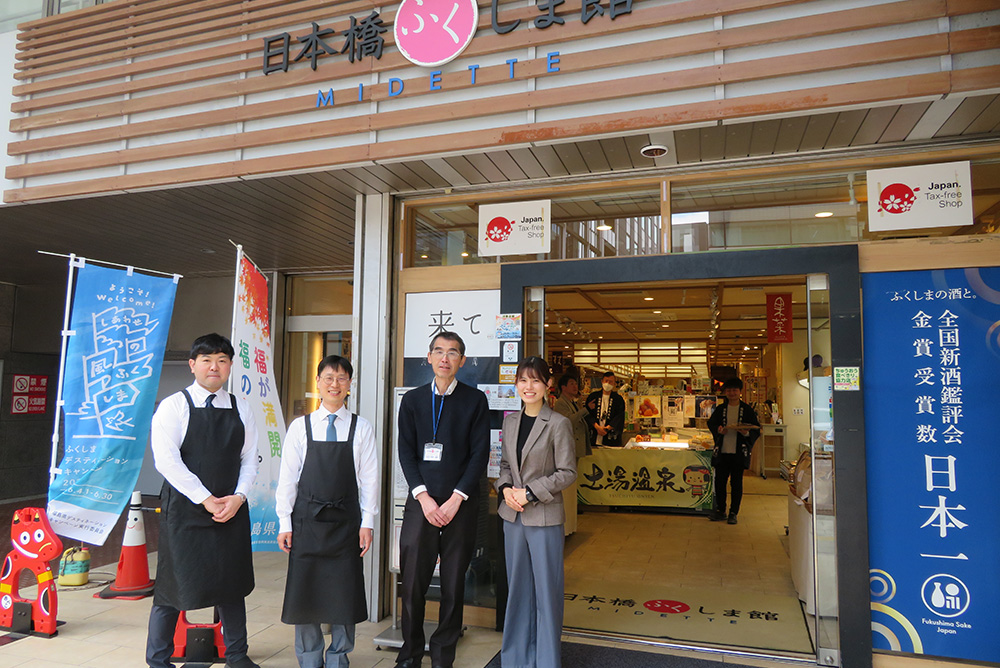
Nihonbashi Fukushima-kan MIDETTE — Visitor Information
Location: 1F Yanagiya Taiyo Building, 4-3-16 Nihonbashi Muromachi, Chuo-ku, Tokyo
Access:
• 3 minutes on foot from Mitsukoshimae Station (Tokyo Metro Ginza Line, Hanzomon Line), Exit A8
• 5 minutes on foot from Kanda Station (JR Lines), East or South Exit
• 1 minute on foot from Shin-Nihombashi Station (JR Sobu Line), Exit 2
Tel: +81-3-6262-3977
Opening Hours: Please check the official website for the latest information
Website: https://midette.com/
Conveniently located in the heart of Nihonbashi, MIDETTE offers an accessible gateway to discover Fukushima’s culture, flavors, and people, right in the center of Tokyo.