The Grace of Citizen Diplomacy
How Yumino Sarah Kada Is Bringing the True Essence of Japan to the World
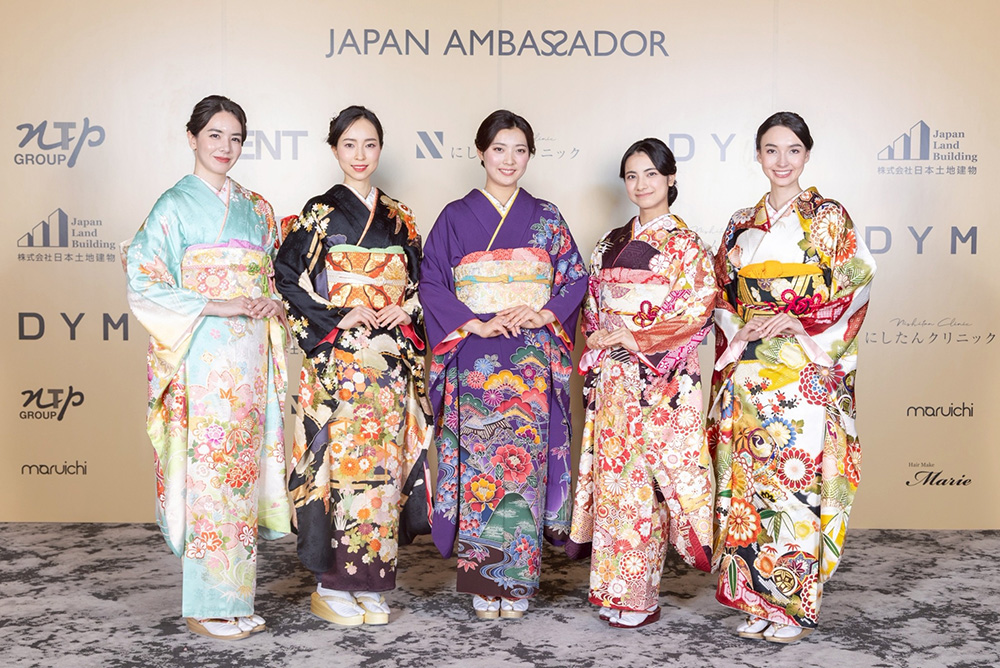
About the JAPAN AMBASSADORS and Yumino Sarah Kada
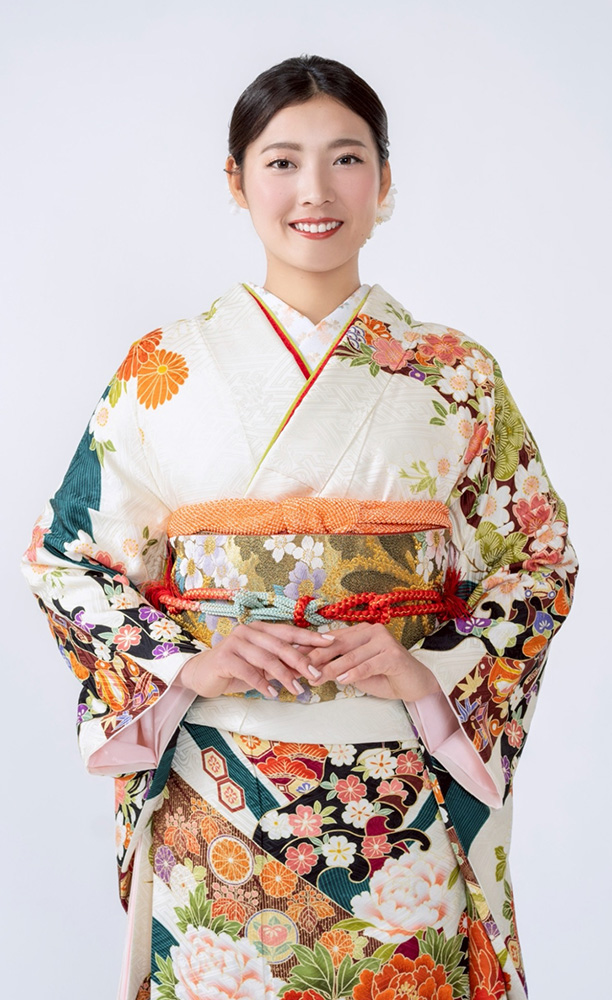
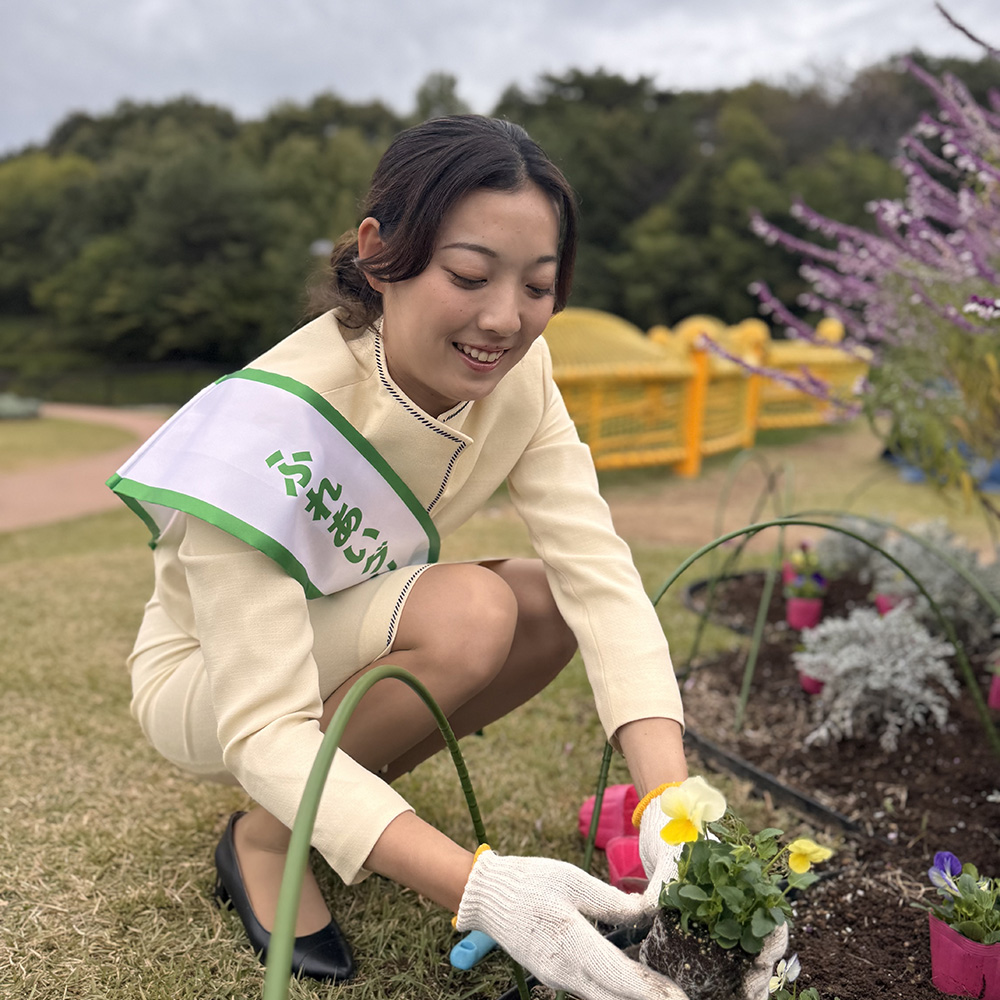
JAPAN AMBASSADORS are cultural representatives dedicated to sharing the finest aspects of Japan, including its people, traditions, products, and values, with audiences both in Japan and around the world. Yumino Sarah Kada, winner of the 2025 JAPAN AMBASSADOR Grand Prix, is currently a third-year student in the Faculty of Environment and Information Studies, GIGA Program at Keio University.
In an era when nations compete not only through economics and technology, but also through culture, values, and human connection, a new generation of Japanese voices is beginning to emerge internationally. Among them is Yumino Sarah Kada, winner of the 2025 JAPAN AMBASSADOR Grand Prix. Having lived in five countries, including the United States, Australia, Vietnam, Thailand, and Japan, Kada developed a global perspective from an early age. Yet it was precisely through living abroad that she began to rediscover the meaning of being Japanese. While Japanese culture enjoys enormous popularity worldwide, she realized that relatively few people truly understand the philosophies and values beneath its surface. At times, she struggled to articulate Japan’s culture and values, despite being Japanese.
“That frustration became the starting point,” she recalls. “I wanted to learn more about Japan myself and become someone who could communicate its beauty in my own words.” For Kada, the JAPAN AMBASSADOR title represents far more than personal achievement. It is a form of modern citizen diplomacy, building connections through culture, conversation, and mutual understanding.
Rediscovering Pride in Being Japanese
Kada speaks openly about a difficult period during her years overseas, when being Japanese sometimes felt painful rather than empowering. Living abroad as a minority, she occasionally experienced prejudice and isolation simply because of her nationality. Yet rather than distancing herself from Japan, those experiences ultimately deepened her connection to it. “Because of those experiences,” she says, “I strongly felt that I wanted to become someone who could communicate the true value of Japan properly.”
Through her activities as a JAPAN AMBASSADOR, she gradually came to realize that Japan’s appeal lies not only in traditional culture or visual beauty, but also in qualities that are often invisible: compassion, humility, hospitality, and quiet consideration for others. Winning the Grand Prix brought pressure, particularly with the phrase “representing Japan” attached to her name. Still, she views that responsibility not as a burden, but as an opportunity. “I want people to feel,” she says, “‘We’re glad it was Yumino Sarah Kada.’”
The Quiet Beauty of Japanese Culture
When asked what defines “Japanese-ness,” Kada’s answer is immediate: thoughtfulness. For her, Japan’s identity is found not in grand symbols but in the subtle details of everyday life, anticipating another person’s needs, valuing harmony, and expressing care through small gestures.
Among the many aspects of Japanese culture she hopes to share globally, food occupies a central place. As a student researching fermented foods at Keio University, Kada sees Japanese cuisine not simply as gastronomy, but as a culture shaped by history, wisdom, and human connection. Her interest in fermentation emerged during her time in the United States, where she witnessed communities struggling with health problems linked to economic inequality and heavily processed diets. “That experience made me realize how deeply food affects people’s lives and futures,” she says.
In Japanese fermentation culture, she discovered something profoundly different: patience, coexistence with nature, and craftsmanship refined over centuries. One story left a particularly strong impression on her. During visits to miso breweries, she learned about the traditional method of stacking heavy stones on fermenting miso. Though simple in appearance, the stones must be balanced with extraordinary precision to prevent air from entering the mixture. According to the artisans she interviewed, the structure can remain stable even during earthquakes without adhesives or artificial supports. “To me,” Kada says quietly, “that reflects a culture that never avoids effort.”
Beyond “Cool Japan”
Kada believes Japan is entering a new phase in how it presents itself to the world. For years, “Cool Japan” focused largely on visible cultural exports such as anime, cuisine, fashion, and technology. While these remain powerful symbols, she feels the future requires something deeper. “From now on,” she explains, “we also need to communicate the stories and values behind culture.”
She points to Japanese craftsmanship, the philosophy of cherishing objects over time, and the emotional care embedded in daily life as examples of values that deserve greater global attention. At the same time, she believes younger generations have an important role to play in sharing a more authentic image of Japan through social media and personal storytelling. Rather than focusing solely on glamorous images of Tokyo, she hopes to convey the warmth of regional communities and the atmosphere of everyday life.
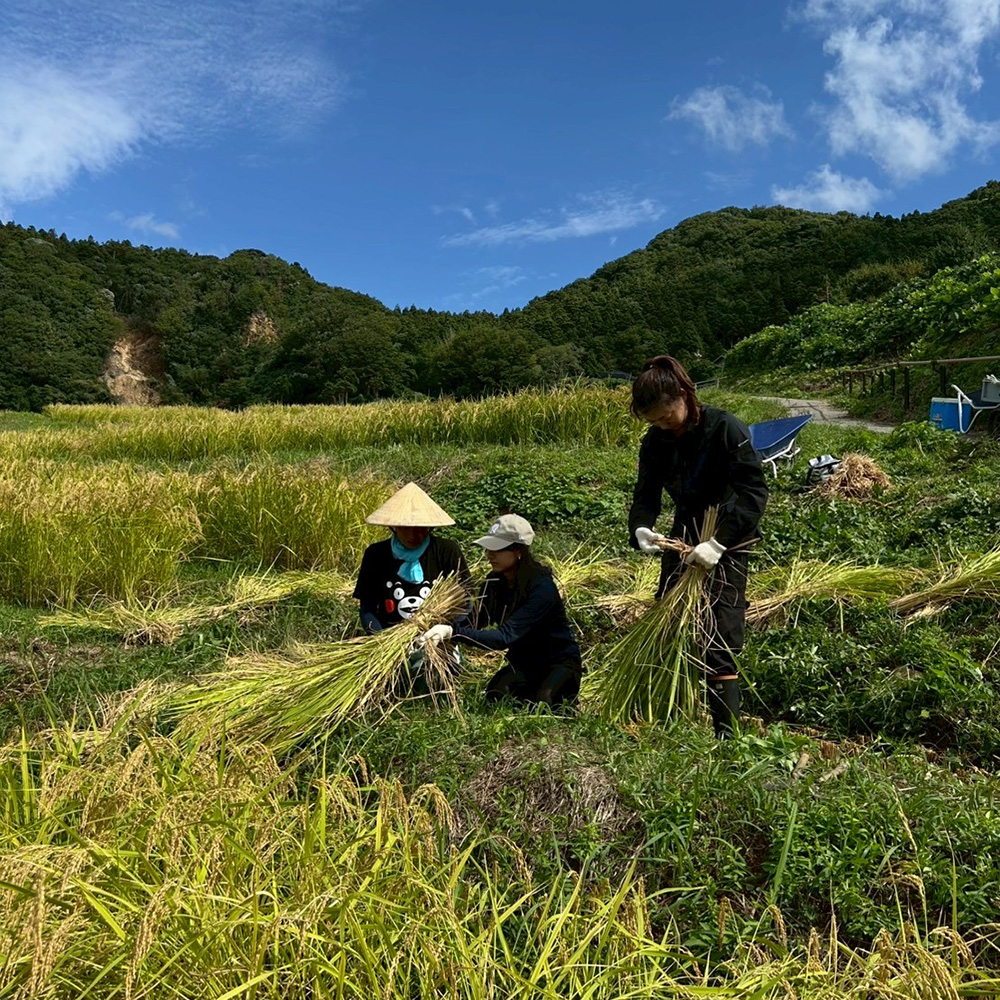
A visit to Kitakyushu left a lasting impression on her, not because of major tourist attractions, but because of casual conversations with local residents and the atmosphere of neighborhood shopping streets. “It made me feel that perhaps these human connections are the true essence of Japan,” she says.
Representing Japan on the Global Stage
This month, Kada participated in the CANNES GALA held alongside the internationally renowned Cannes Film Festival. The event brought together creators, cultural figures, and global leaders through exchanges centered on art, cinema, and tradition. The occasion carried particular significance, as Japan was selected as the “Country of Honor” for the 2026 Marché du Film. “For me, it was an incredible honor to participate in such a symbolic year,” she says.
At the same time, Kada has also witnessed the fragility of cultural preservation within Japan itself. During a visit to the Arimatsu Shibori Festival, she encountered the reality of declining numbers of successors willing to inherit traditional craftsmanship. “There are incredible traditions in Japan,” she reflects, “but fewer and fewer people are able to carry them into the future.” That realization strengthened her desire not simply to showcase Japanese culture, but to communicate the stories of the artisans and local communities behind it.


A Country That Can Enrich Human Life
Despite challenges such as population decline and regional depopulation, Kada believes Japan still possesses tremendous potential to contribute to the world. “In a world that prioritizes speed and efficiency,” she says, “the Japanese way of valuing human connection and careful living may become increasingly important.” She sees Japan’s food culture, fermentation traditions, and regional communities as models that can contribute globally to health, sustainability, and quality of life.
“My mission,” she says, “is to become a bridge connecting Japan and the world.” At the center of that vision is food. Through healthier eating habits and the promotion of Japanese fermentation culture, she hopes to contribute to solutions for public health challenges and inequality in access to quality food. “I want to enrich people’s lives through food,” she explains.
“Ichigo Ichie”: Treasuring Every Encounter
When asked about the philosophy she lives by, Kada answers without hesitation: Ichigo Ichie. Because of her father’s work, she moved frequently throughout her childhood, never remaining at the same school from entrance to graduation. Just as she would adapt to a new environment and build friendships, another move would come. “It was honestly painful at times,” she admits. Yet those repeated transitions eventually taught her something invaluable: meaningful connections can be formed anywhere in the world. “That is why I treasure every encounter and every connection so deeply,” she says.
As she continues her journey onto increasingly international stages, Yumino Sarah Kada represents a new kind of cultural ambassador, one grounded less in image or performance, and more in empathy, sincerity, and human connection. In an age defined by speed and division, her vision of Japan feels remarkably quiet, yet perhaps more necessary than ever.