More Than Books: Japan’s Libraries Are Becoming New Places to Gather
Japan has around 3,400 public libraries. Traditionally, libraries were associated with quiet reading, study, and an atmosphere where conversation was kept to a minimum. That essential role remains. Yet across Japan, a new kind of public library is emerging.
As information is increasingly accessed online, the physical library is finding a new role — not disappearing, but reinventing itself as a place for human connection. Rather than simply borrowing a book and leaving, visitors are being encouraged to stay, meet others, learn, exchange ideas, and encounter culture. Libraries are evolving from places that connect people with books into “third places” that also connect people with one another and with their communities.
Gifu City Chuo Library — A Library Designed for Staying
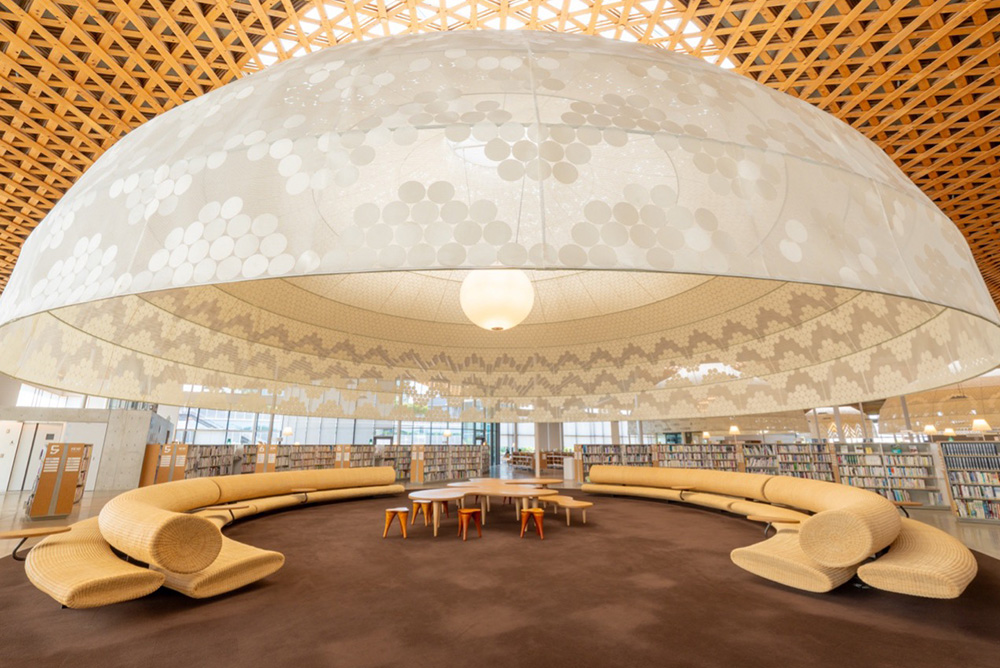
One striking example is Gifu City Chuo Library, the centerpiece of the Minna no Mori Gifu Media Cosmos cultural complex. Inside, large umbrella-like structures known as “Globes” hang beneath an impressive wooden lattice roof, creating comfortable spaces where visitors can read, study, or simply spend time.
At the heart of the library is the concept of a place where people feel comfortable, want to stay longer, and want to return. Its broader aim is to use books to create connections between people and between people and the city.
One particularly distinctive philosophy is expressed in the phrase, “Children’s voices are the voices of the future.” Rather than treating the sounds of young children simply as noise, the library sees them as part of a community in which children grow up surrounded by others.
Citizens are also encouraged to participate through initiatives such as community libraries and the “Children’s Librarian” program, in which young people learn about books and libraries and help share the pleasure of reading with others. Gifu therefore represents a significant shift: from the library as a place primarily for quiet reading to one where books help bring people together.
Yamato City Cultural Creation Center Sirius — Bringing Books, Culture, Health and Children Together
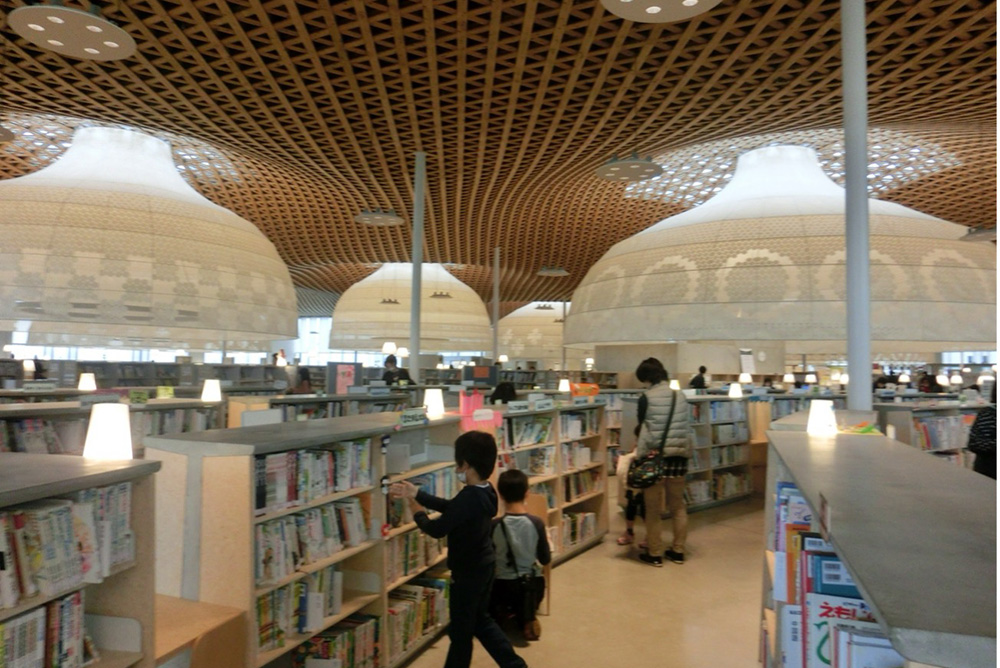
The Yamato City Cultural Creation Center Sirius in Kanagawa Prefecture takes the concept even further. Centered on the municipal library, Sirius brings together an arts and culture hall, lifelong learning facilities and an indoor children’s area within a single complex.
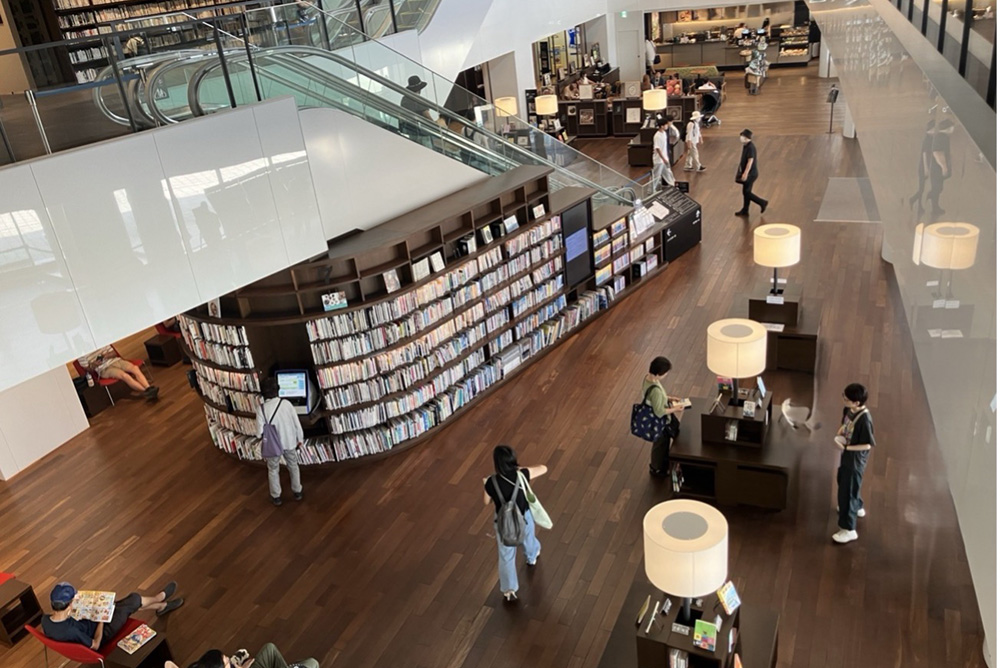
There are dedicated library spaces for children and storytelling, while its “Healthy City Library” combines health-related information with equipment that allows visitors to check aspects of their physical condition. Reading, playing with children, learning about health, experiencing music and culture, and meeting other people — activities that once took place in separate public facilities are brought together under one roof. The result is a library that has become closely integrated into the everyday lives of local residents.
Omihachiman City Library — Taking the Library to the Community
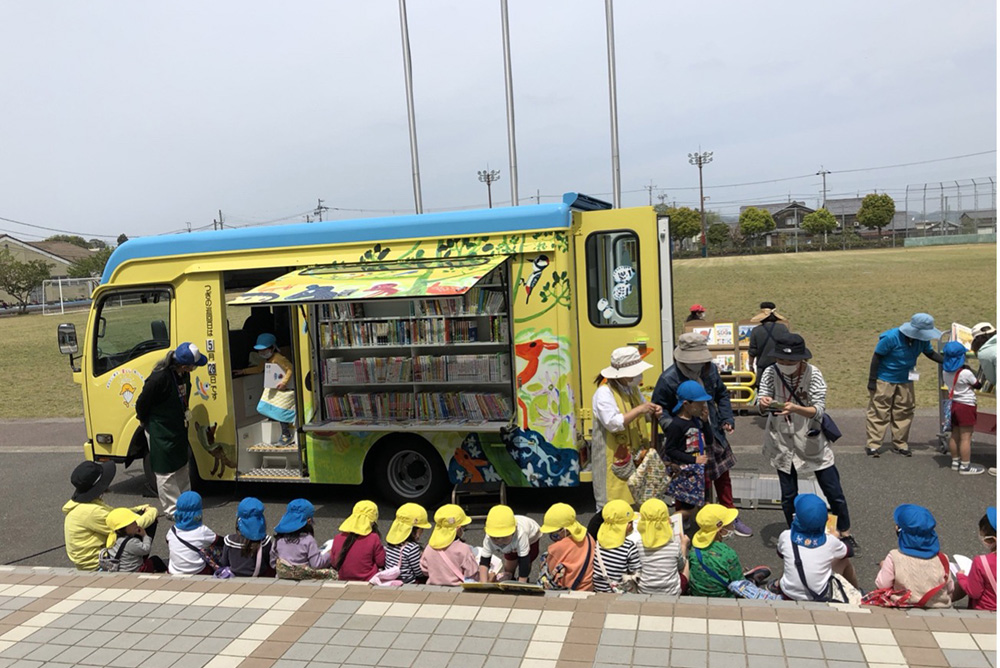
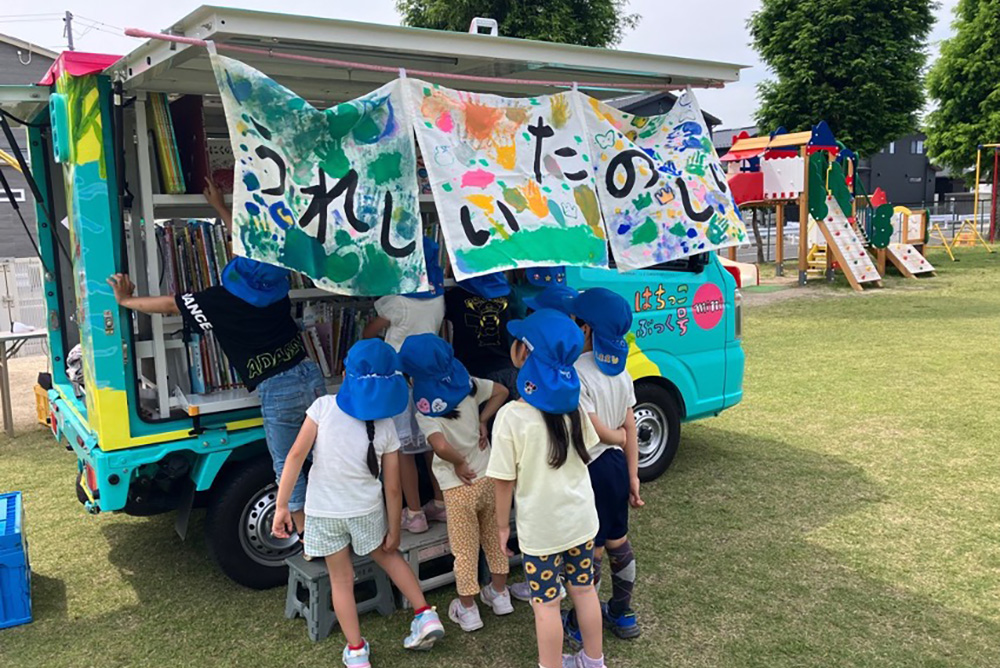
In Omihachiman, Shiga Prefecture, the library is extending its activities beyond the building. The mobile library vehicle “Hachikko Book-go” carries around 1,500 books as it travels to schools and community locations around the city.
Instead of expecting everyone to come to the library, the library goes out to meet them. The city’s library philosophy emphasizes creating encounters between books and people, as well as between people themselves, while valuing local culture and developing the library together with the community.
The mobile library demonstrates how access to books and information can be extended to people who may find it difficult to visit a conventional library.
Other Unique Library Initiatives in Japan
Elsewhere in Japan, libraries are experimenting with other creative ways to bring people together. Tonami Library in Toyama Prefecture, for example, had a collection of 206 board games as of March 2026 and organizes events and workshops where children and adults can play, think, and communicate together.
An even more unusual example can be found in Kagawa Prefecture, where the children’s library ship “Honnomori-go,” donated by internationally renowned architect Tadao Ando, carries around 2,000 books among the islands of the Seto Inland Sea. Combining books with the experience of the sea and island communities, the project literally takes the library beyond its walls — bringing reading, discovery and new experiences directly to children.
From Lending Books to Connecting People
Gifu, Yamato, Omihachiman and Tonami, together with a library ship sailing across the Seto Inland Sea, may appear very different. Yet they share an important idea. A public library no longer needs to be defined simply as a building that stores and lends books.
Books can bring people together. Libraries can create encounters between generations, help residents discover their communities and provide opportunities to learn something new. Increasingly, libraries themselves can also move beyond their buildings to reach people where they live.
In a society facing demographic change and increasingly fragmented communities, this broader role may become even more important. Libraries are among the few public spaces where people of different ages and backgrounds can spend time without being expected to buy anything.
While preserving their essential role as places for reading, knowledge and quiet reflection, Japan’s public libraries are taking on another important function — connecting people with books, people with people, and people with their communities. In doing so, they are becoming something more than libraries: new cultural hubs and “third places” at the heart of everyday life.