Spain’s Traditional Cecina de León Prepares for Full-Scale Entry into Japan
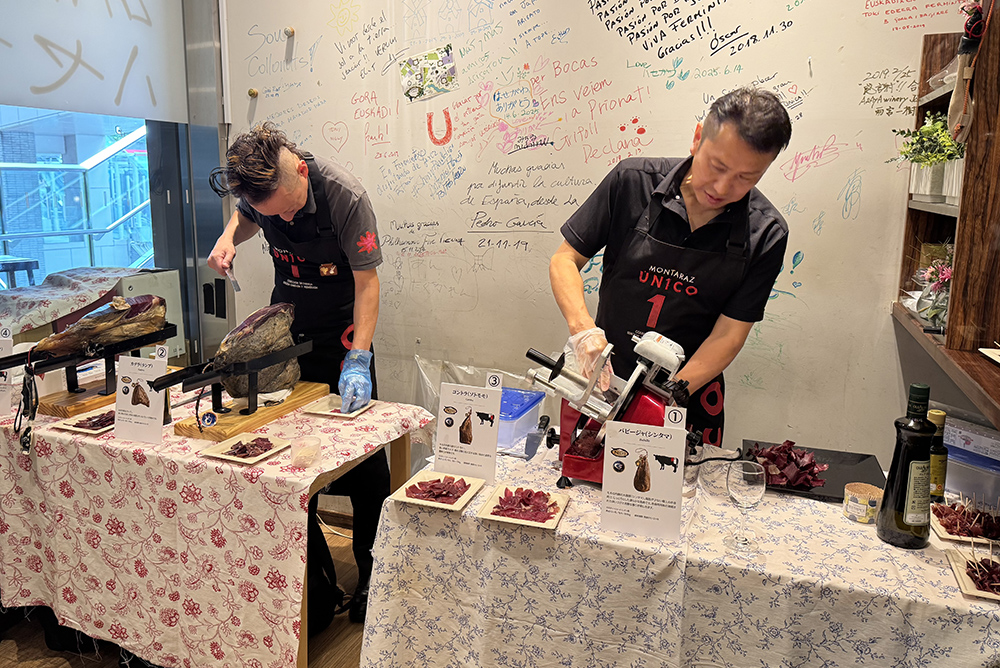
Spanish food importer SAS Co., Ltd., based in Tokyo’s Chuo Ward, recently hosted a tasting event at LA TAVERNA Hasegawa in Roppongi to introduce Cecina de León, Spain’s traditional air-dried cured beef, ahead of its full-scale launch in Japan. The event marked the company’s partnership with Cecinas Nieto, a long-established Spanish producer. Before full-scale distribution begins in Japan in autumn 2026, the tasting was organized to gather feedback from chefs, buyers, food-service professionals, and other industry representatives.
A Spanish Tradition Dating Back to Ancient Times
Cecina de León is a traditional specialty from the province of León in Castilla y León, northwestern Spain. Its history is said to date back to the fourth century BC. Made from carefully selected cuts of beef hind leg, the meat undergoes a time-honored process of salting, drying, smoking, and maturing. The result is an air-dried cured beef developed slowly over an extended period.
Cecina de León is protected under the European Union’s Protected Geographical Indication, or PGI—known as IGP in Spanish—which guarantees its geographical origin and traditional production methods. Today, it is highly regarded both in Spain and abroad as one of the country’s distinctive gastronomic specialties. Unlike the more familiar cured hams made from pork, Cecina de León offers the deep umami of beef, an elegant aroma, and a delicately balanced smoky character.
Exploring the Distinctive Qualities of Three Cuts
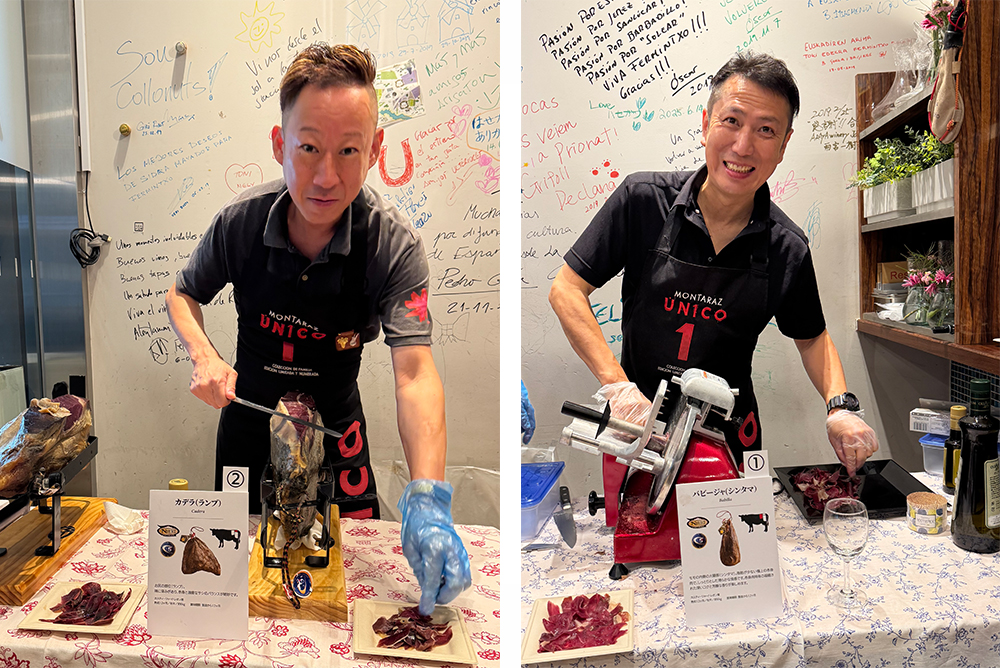
The tasting featured Cecina made from three different cuts of the beef hind leg:
Although all three were prepared as Cecina, each cut offered its own combination of meat texture, fat content, mouthfeel, and umami. Guests could therefore compare the distinctive characteristics of the different cuts side by side.

The event also featured a slicing demonstration by a cortador certified as an expert by the Japan Cured Ham Association (JCHA). The demonstration showed how mature cured meat should be sliced to the ideal thickness, allowing guests to appreciate the authentic flavor and texture of Cecina.
Cecinas Nieto: Preserving Tradition Since 1965
Cecinas Nieto is a family-owned company founded in 1965. Its founder, José Nieto Blas, had roots in the La Maragatería region of León and continued the traditional production techniques passed down through generations. The company remains committed to a process shaped by what it describes as the natural forces of “earth, water, air, fire, and time.” By relying on traditional maturation techniques rather than highly artificial production processes, Cecinas Nieto creates a flavor that is uniquely its own.
Pairings with Spanish Cheese and Wine
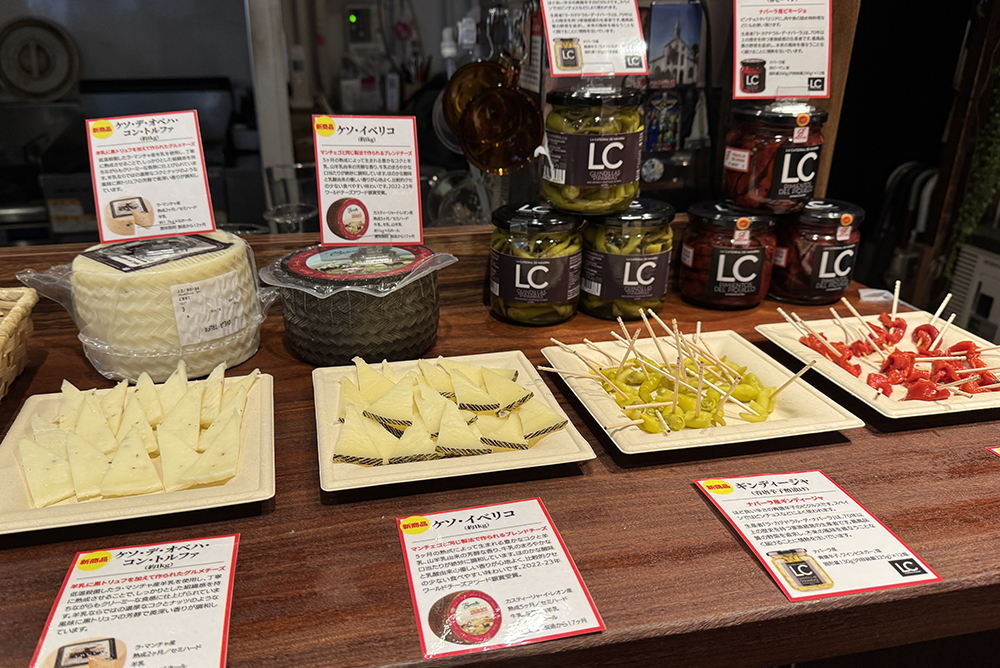
In addition to Cecina, the tasting introduced new Spanish cheeses that pair particularly well with the cured beef, along with a selection of Spanish wines recommended for the summer season. The rich umami and gentle smokiness of the beef complement mature cheeses and red wine particularly well, offering guests a broader experience of Spain’s culinary culture.
A New Proposition for the Japanese Market
In Japan, Spanish cured ham is most commonly associated with Ibérico ham and Jamón Serrano. Cecina, however, remains relatively unfamiliar. The tasting event represented an important first step in introducing Japanese consumers and food professionals to another dimension of Spanish gastronomy. Attention will now turn to the product’s full-scale importation and development in the Japanese market.
Tasting Cecina de León: Impressions by Mai Tsunoda –
Mai Tsunoda, a culinary expert and recipe developer at Happy & Life 88, shared her impressions after tasting Cecina de León.
My First Impression
This was my first time tasting Cecina. It had the substantial umami one would expect from beef, yet I found it remarkably approachable and easy to enjoy. The aroma and mature flavors were well balanced, with the taste becoming richer as I continued to chew. Each cut had a different texture and flavor profile, making it especially enjoyable to compare them.
I was also impressed by the wonderfully aromatic olive oil served with the Cecina. It enhanced the beef’s umami even further. As I continued tasting it, I naturally began imagining different pairings—with wine and other drinks, as well as bread and cheese. It was the kind of ingredient that made me want to explore many more combinations.
The pickles served during the tasting also refreshed the palate beautifully. They made me want to return to the Cecina again and again. That enjoyable rhythm between the cured beef and the pickles reminded me just how important thoughtful pairing can be.
How Cecina Could Be Used in Cooking
In terms of flavor, Cecina pairs beautifully with cheese and fragrant, high-quality olive oil, creating a smooth, harmonious combination on the palate. Because its umami becomes more pronounced as it is chewed, texture is also important. Rather than serving it only with very soft ingredients, I believe pairing it with foods that offer a moderate bite—such as bread, crackers, or vegetables—would allow the contrasting textures to enhance one another and create a more satisfying eating experience.
Cecina can, of course, be served on its own as an appetizer, but I also think it pairs very well with Japanese ingredients. Possible applications include:
Cecina could be used in a wide variety of both Japanese and Western dishes. Because the meat itself has such pronounced umami, even simple combinations can bring out its appeal.
Potential in the Japanese Market
Although pork-based cured ham is widely known in Japan, cured beef is still relatively unusual. Cecina therefore has considerable appeal as a new culinary experience.
After the tasting, I shared my impressions with people working in the catering industry. Several responded that they were interested and would very much like to try it, suggesting that Cecina could also attract attention among food-service professionals.
I believe it would be particularly well suited to hotels, restaurants, luxury catering, wine events, and other occasions where organizers want to create a sense of exclusivity. Pairing it with Japanese cuisine and seasonal Japanese ingredients could also lead to distinctive new culinary proposals.
At the same time, Cecina is not yet widely recognized in Japan. Its market potential could therefore be strengthened by communicating the story behind the product: its heritage as a traditional Spanish food, the quality guaranteed by its PGI certification, and the distinctive characteristics of its different cuts. With this story presented alongside the product itself, I believe Cecina de León has significant potential in the Japanese market.